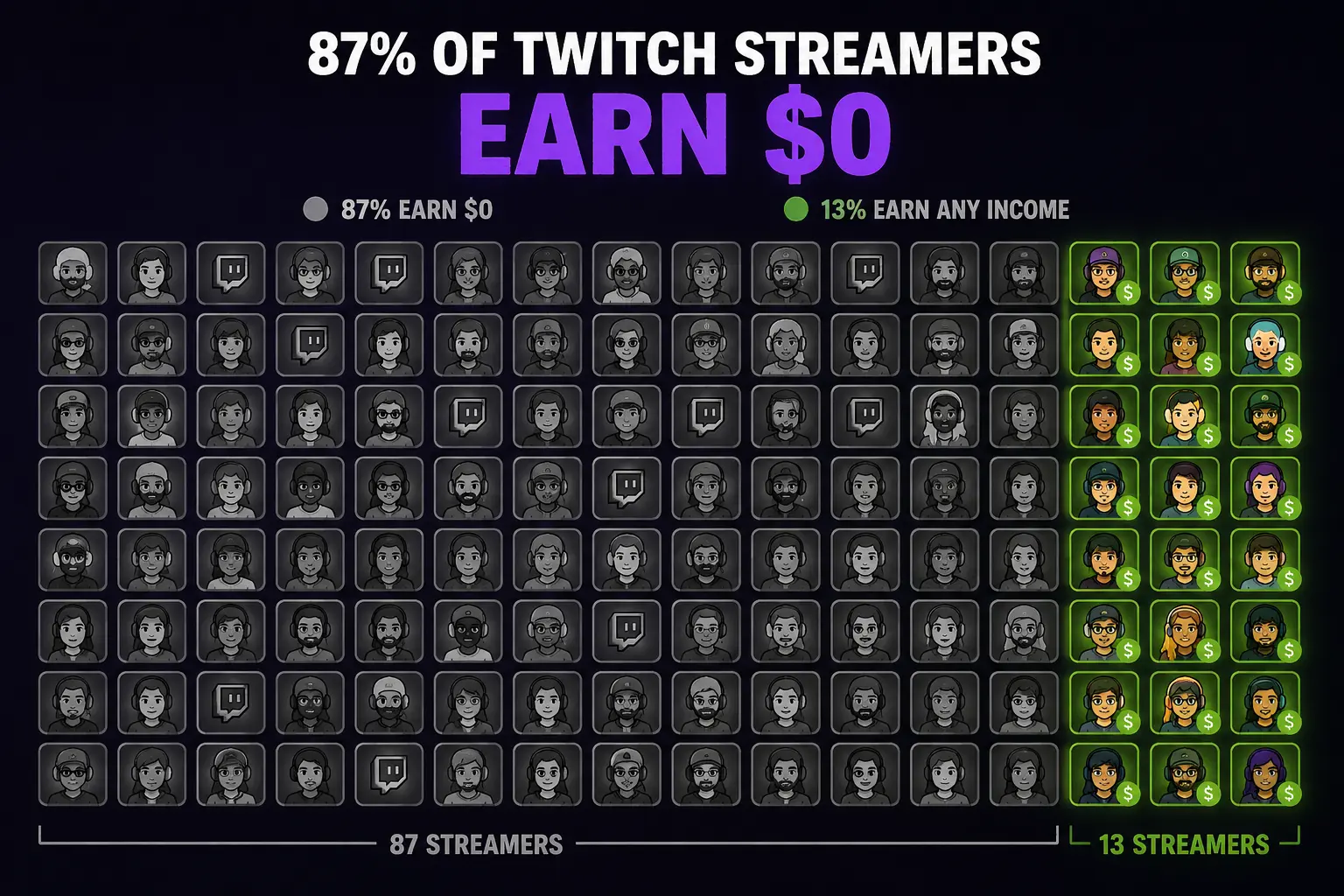
Here's the stat nobody on Twitch wants to lead with. Of the seven million people who stream on Twitch every month, only about 920,000 earn any income at all. That's roughly 13%. The other 87% earn $0.
If you're researching Twitch streamer income because you want to know what you'd realistically make, that number is the floor you have to plan around. Most streamers who do get paid sit in the $0 to $50 per month band for years before anything changes.
Twitch itself pulls in around $1.75B a year in revenue, and a lot of that is built on the unpaid labor of streamers who never cross the monetization line. It's not a scam, it's just the math of a creator economy where the top 1% captures most of the money.
Here's what this guide covers: real income levels at every tier, where the dollars actually come from, how long it takes to see your first payout, and what casual gamers can do to make money beyond streaming.
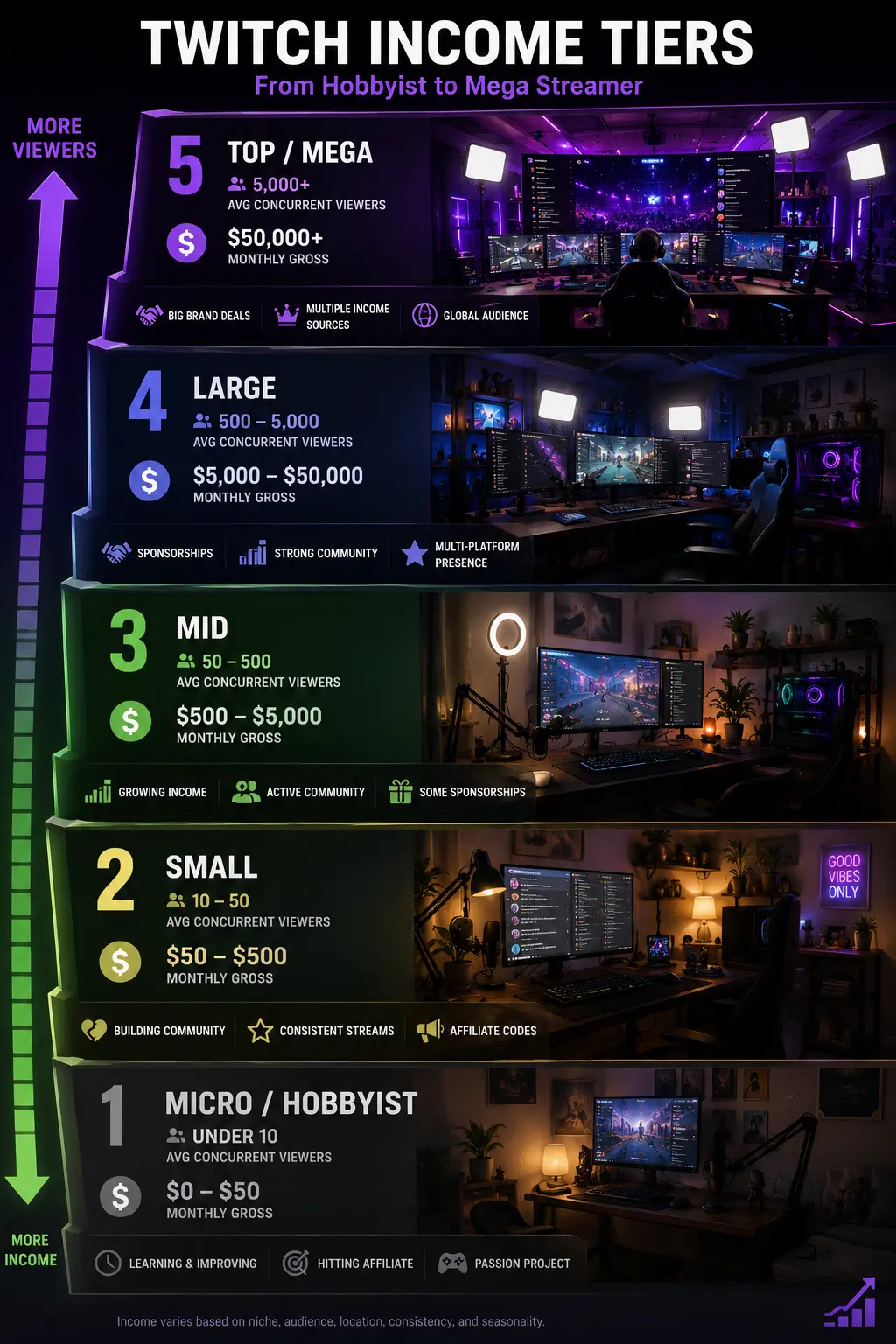
Twitch streamer income by tier: the real numbers
The chart below is the closest thing to an honest snapshot of Twitch earnings you'll find. These are gross monthly figures at each concurrent-viewer level.
Net pay (after Twitch's cut, taxes, and gear) is lower, and we'll get to that. Volatility is brutal at every tier, and a streamer who grosses $2,000 in November can drop to $900 in February.
| Tier | Avg concurrent viewers | Realistic monthly gross | Time to reach |
|---|---|---|---|
| Micro / hobbyist | Under 10 | $0–$50 | 6–12 months (Affiliate) |
| Small | 10–50 | $50–$500 | 1–2 years |
| Mid | 50–500 | $500–$5,000 | 2–4 years |
| Large | 500–5,000 | $5,000–$50,000 | 4+ years |
| Top / mega | 5,000+ | $50,000+ | Top 0.1% |
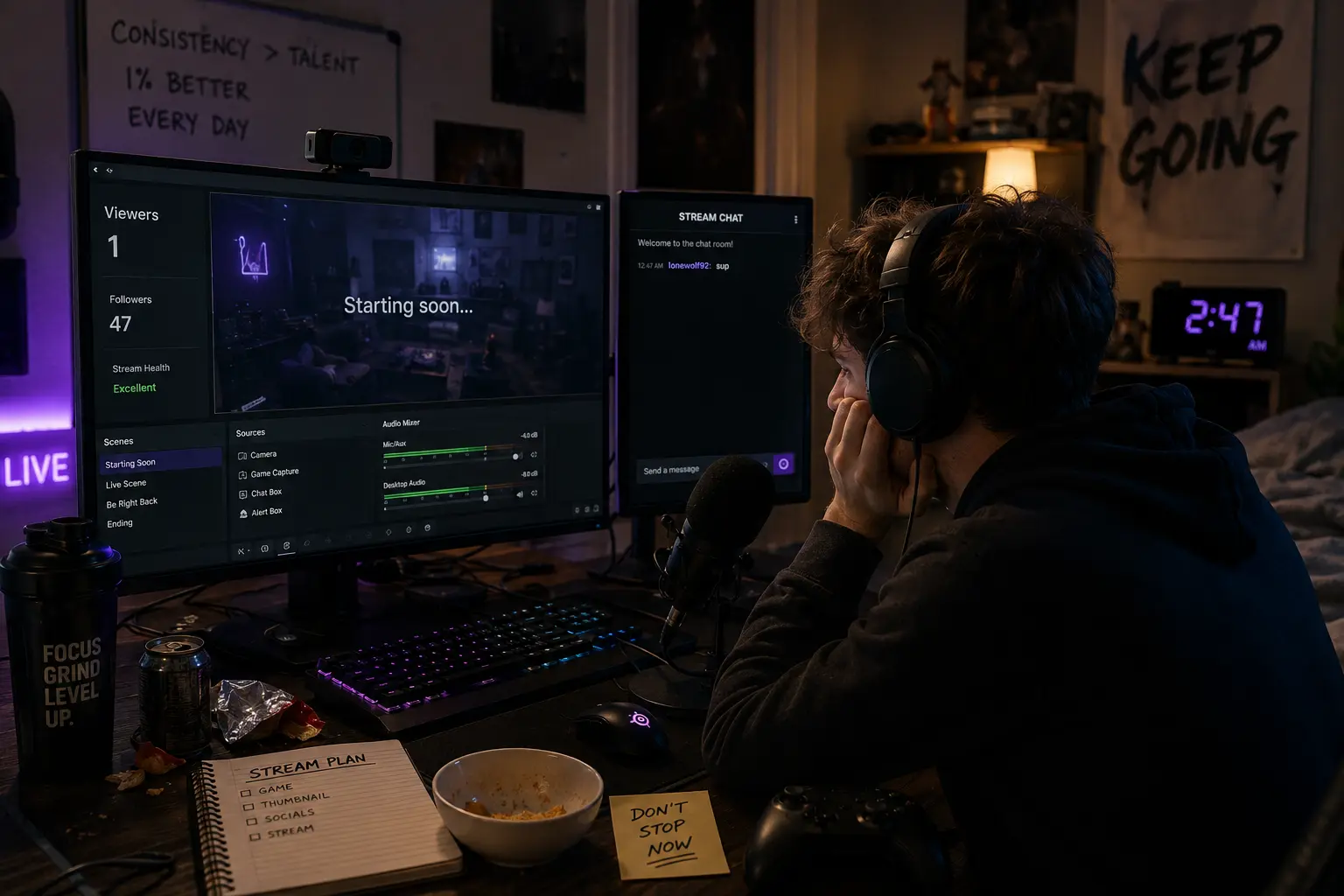
Micro and small streamers (under 50 viewers)
If you're reading this article, statistically you're going to land in this range. Income at this level looks like a handful of subscriptions, the occasional Bits donation, and zero sponsorships.
Hitting Twitch Affiliate is the first real milestone. It requires 50 followers, 500 minutes streamed, broadcasts across seven unique days, and an average of three concurrent viewers.
Once you're Affiliate, you can take subs and Bits, but most micro streamers earn under $20 a month for the first year.
Small streamers (10 to 50 viewers) start seeing $50 to $500 months if they're consistent. It takes one to two years of regular streaming to build that floor, and even one missed week can stall growth.
A typical small streamer's monthly mix might look like eight to 15 active subs, $5 to $20 in Bits, and $10 to $40 in ad revenue. Sponsorships at this tier are rare and usually limited to small affiliate codes rather than paid deals.
Mid-tier streamers (50 to 500 viewers)
This is where streaming starts to look like a part-time job. Subs become predictable, Bits add up, ads contribute real money, and the first sponsorship offers trickle in.
Month-to-month swings of 30% to 50% are normal at this tier. A streamer averaging 200 viewers might gross $1,200 one month and $2,100 the next, based on game choice, holiday windows, and how many subs renew.
Two to four years of steady streaming is the realistic path to this tier. The income mix shifts too, with subs and ads starting to share the load, sponsorships adding lump-sum boosts, and a single viral clip occasionally doubling a month's pay overnight.
Large and mega streamers (500+ viewers)
The top 1% sits here, and the top 0.1% is the mega tier above 5,000 viewers. At this level, sponsorships and brand deals dominate the income mix, not subs.
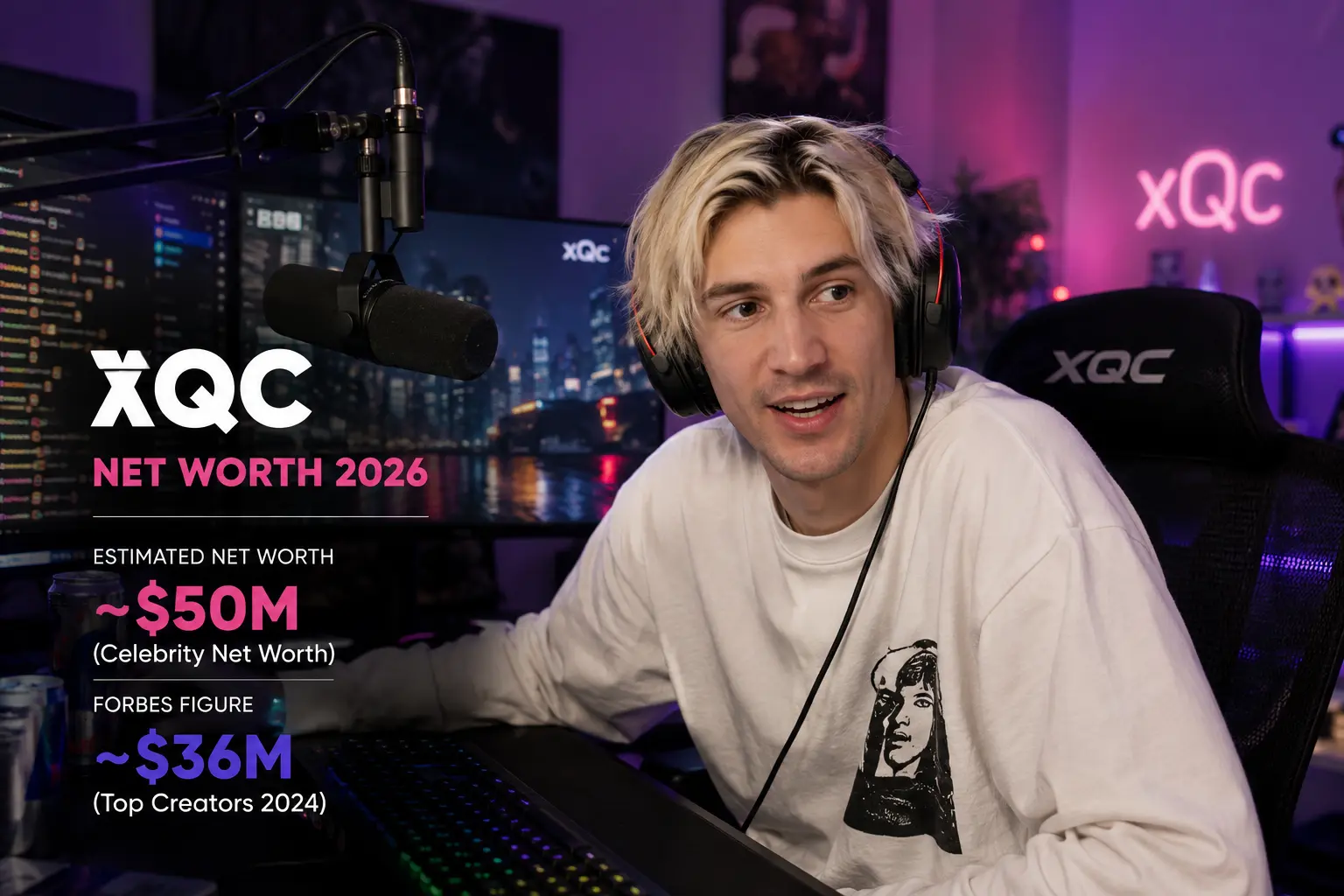
This is also the tier everyone sees on the Twitch front page and assumes is normal. It isn't, because for every Pokimane or xQc, there are tens of thousands of streamers grinding at under 50 viewers who never break through.
Most mega-tier income lives outside Twitch's platform splits entirely. Off-platform brand deals, YouTube content, merch lines, and Kick or exclusivity contracts often outpay everything Twitch sends, so the platform becomes the audience rather than the paycheck.
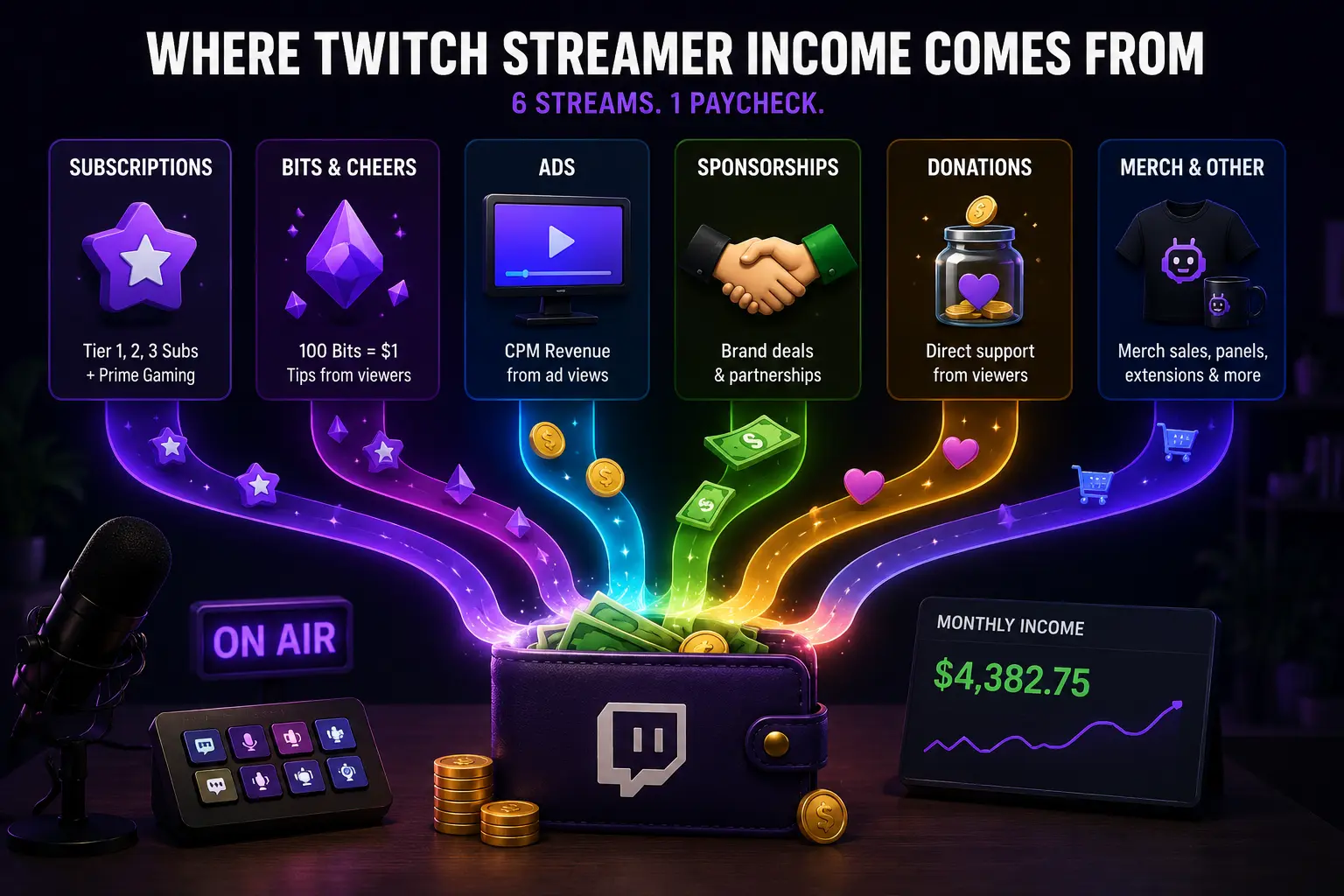
Where Twitch streamer income actually comes from
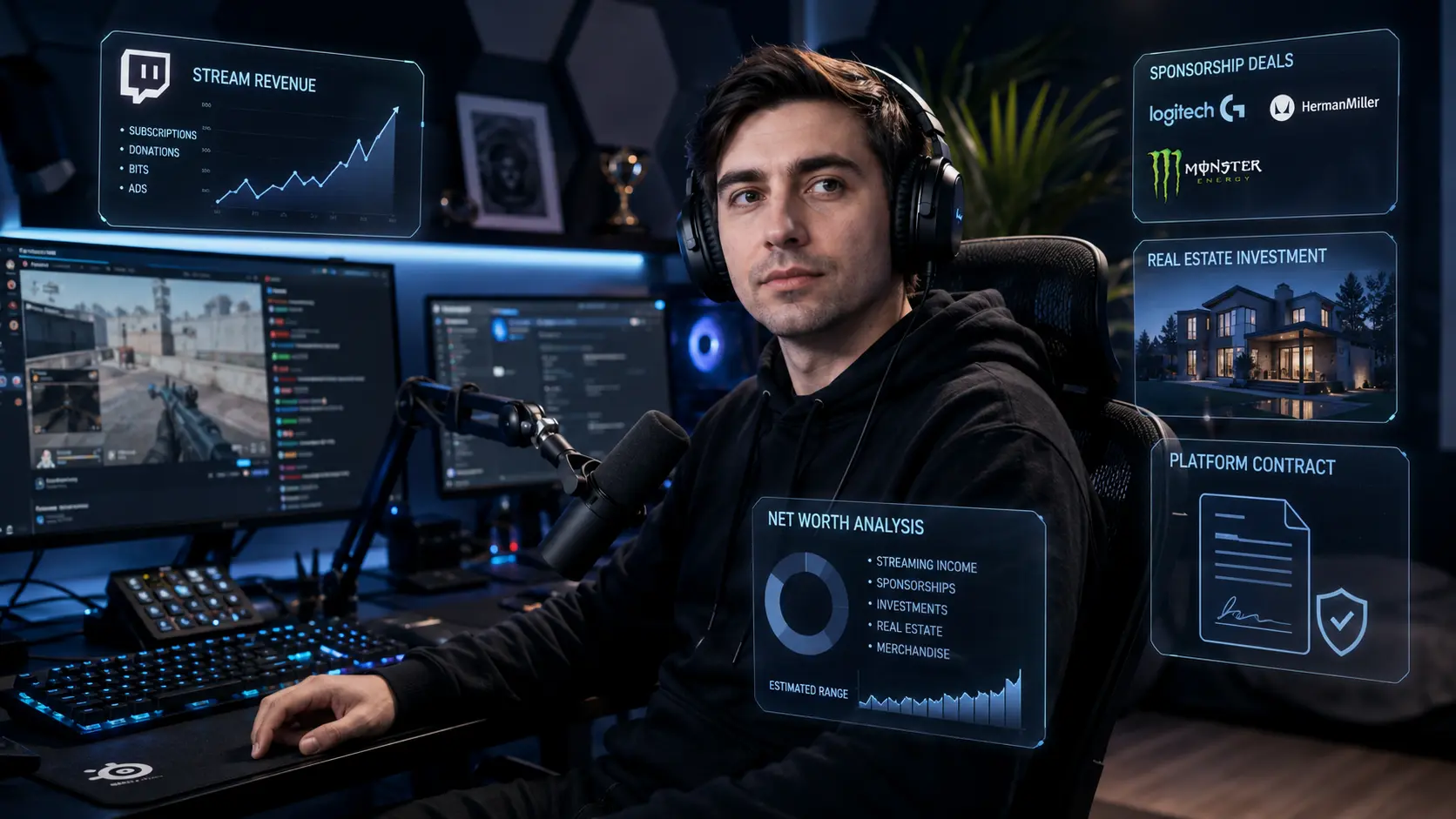
Twitch isn't one revenue stream; it's six layered on top of each other. Each one has different math and different reliability, and your mix changes as you grow.
Understanding the breakdown matters because a streamer's salary is rarely just "subs" or just "ads." Here's how each stream actually pays.
Subscriptions (subs)
Subs are the most predictable income stream for mid-tier streamers. There are three tiers: Tier 1 at $4.99, Tier 2 at $9.99, and Tier 3 at $24.99.
The standard split is 50/50. A streamer on the default deal earns about $2.50 from a Tier 1 sub.
Twitch's Partner Plus program improves that. Level 1 (350 paid subs for three months) bumps you to 60/40, and Level 2 (1,000 paid subs) takes it to 70/30.
Prime Gaming subs, the free monthly sub Amazon Prime members can give, pay the streamer the same as a paid Tier 1. Free for the viewer, real money for the streamer.
Sub renewal rates matter as much as new subs. A streamer with 100 subs who keeps 80% retention month over month earns far more than one who hits 100 subs once and watches them lapse.
Building a community that resubs is the quiet skill behind every sustainable mid-tier income.
Bits and cheers
Bits are Twitch's virtual currency for tipping. Every 100 Bits equals $1 to the streamer.
Viewers pay about $1.40 for 100 Bits, and Twitch keeps the difference. Bits are volatile, and most of a streamer's Bits revenue comes from a small group of regulars, sometimes a single whale.
One generous fan can double your Bits revenue for a month, then disappear without notice.
Ads (CPM)
Ad revenue runs on CPM, the rate Twitch pays per 1,000 ad impressions. CPM ranges from $2 to $10 depending on category, region, and season.
Q4 (October through December) spikes hard. CPMs in November are often 40% to 60% higher than July, and US viewers also pay higher CPMs than most international audiences.
Quick example: a streamer with 200 average viewers running ads for 60 minutes a day might net $200 to $600 per month from ads alone.
Ad frequency also matters. Twitch's ad incentive program pays more for streamers who run regular ads on a set schedule, which can lift effective CPM by another 20% or so for those who opt in.
Sponsorships, donations, and merch
Sponsorships start becoming realistic at around 50 concurrent viewers. Below that, brands rarely engage, and a mid-tier streamer might land $200 to $2,000 per sponsored stream, depending on niche and engagement.
Direct donations through Streamlabs, PayPal, or similar tools bypass Twitch entirely. The streamer keeps 100% minus payment processor fees, which is why many creators push donations over Bits when possible.
Merch usually becomes viable much later. It needs an engaged audience that wants to wear your brand, and the margins are thin unless you're moving real volume.
Most small to mid streamers who try merch early lose money on minimum order quantities. Print-on-demand removes that risk but cuts margins to single-digit dollars per shirt.
The time-to-income timeline (month 1 to year 2+)
Time to first dollar isn't fast on Twitch, and the numbered milestones below show what most streamers actually experience. Viewer-to-subscriber conversion sits at 1% to 5% of regular viewers, and that ratio doesn't change much as you scale.
- Months 1 to 3. Zero income. You're building the habit, learning your software, and getting comfortable on camera. Average concurrent viewers usually sit at 0 to 2.
- Months 3 to 6. Affiliate eligibility window. You unlock subs, Bits, and ads if you hit the 50 followers, 500 minutes, 7 unique days, and 3 average viewer thresholds. Income is still mostly $0 to $20 per month.
- Months 6 to 12. First meaningful payouts arrive for the consistent few. A handful of subs, sporadic Bits, light ad revenue. Realistic range: $20 to $100 per month.
- Year 1 to 2. Small tier territory. If you've stuck with it through the dead months, $50 to $500 monthly becomes possible. Most streamers quit before reaching this.
- Year 2 and beyond. Mid-tier opens up for a small fraction. $500 to $5,000 per month, sponsorships entering the mix, viewer counts in the 50 to 500 range.
Most streamers quit around month six, and the reason is almost always the same. The numbers don't move fast enough to justify the hours, and seeing the same two or three viewers night after night is demoralizing in a way the highlight reels never show.
Seasonality adds another wrinkle. Summer months (June through August) are notoriously slow as viewers spend more time outside, while Q4 holiday windows can lift income 30% to 60% for the same effort.
Earnings vary hugely based on time invested, niche, and frankly, a bit of luck. Streaming a popular game on a slow day can outperform a year of grinding a saturated category.
For those who prefer certainty and a clear path to earnings, platforms like EarnStar reward you with cash for playing games and hitting milestones. It's available on iOS and Android.
Why most Twitch streamers never grow
The brutal part about Twitch growth is that most streamers aren't failing because they're no good. They're failing because the platform is structurally stacked against small creators from day one.
A streamer sitting at two viewers is competing against people with 20,000 viewers for the same category traffic. Twitch sorts heavily by viewer count, which means small creators often become effectively invisible inside saturated games.
Saturated categories bury new streamers
Streaming Call of Duty, Fortnite, GTA V, or League of Legends sounds logical because those games are massive. The problem is that every other new streamer has the same idea.
A creator with three viewers can end up 200 rows deep in a category list where nobody will ever scroll far enough to find them. That's why so many small streamers sit flat for months despite streaming consistently.
Twitch discoverability is weak
Twitch is good at keeping viewers on the platform. It's much worse at helping new creators get discovered.
Most growth in 2026 happens off-platform through TikTok clips, YouTube Shorts, Twitter reposts, Reddit communities, and collaborations with other creators. A streamer who only goes live and waits for discovery usually stalls.
Inconsistent schedules kill momentum
Viewers build habits around creators. If your stream times constantly change, people stop checking.
Small streamers who disappear for two weeks because of work, burnout, or low motivation often lose momentum completely and end up rebuilding from scratch when they return.
Streaming to almost nobody burns people out
The psychological side matters more than most people admit.
Talking for four hours to one silent viewer feels very different from the highlight clips people see on TikTok. Most streamers quit before they ever become discoverable simply because the early-stage grind is mentally exhausting.
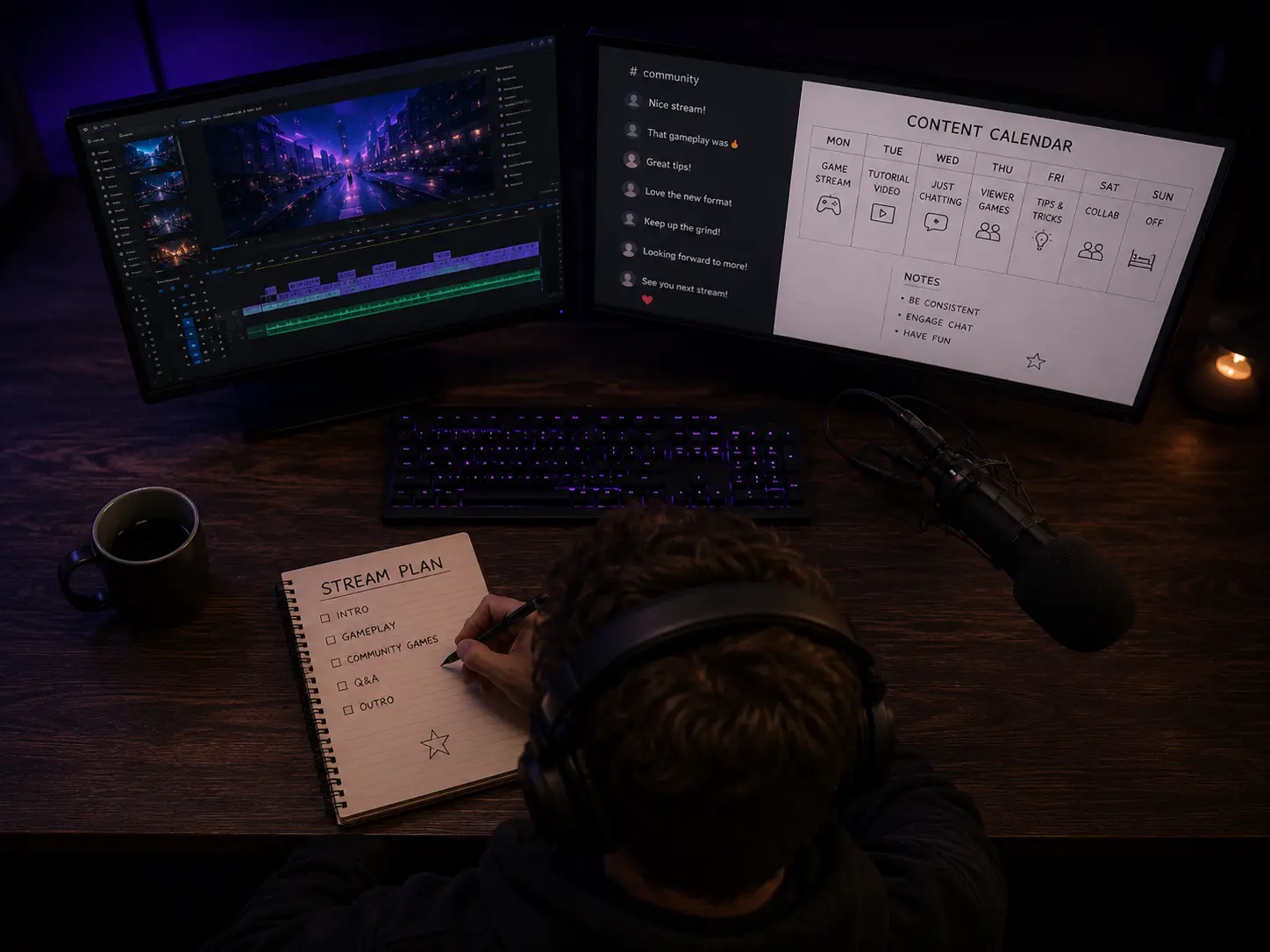
The hidden hours behind Twitch income
A streamer earning $500 a month isn't usually working "stream hours only." The hidden workload behind Twitch income is what catches most people off guard.
- Clip editing and short-form content. Most streamers now spend hours cutting Twitch clips into TikToks, YouTube Shorts, and Instagram Reels because that's where discovery actually happens.
- Thumbnail and title work. Stream packaging matters. A weak title or thumbnail can tank click-through rates before someone even enters the stream.
- Discord and community management. Mid-tier creators spend significant time replying to viewers, managing Discord servers, moderating chats, and keeping communities active between streams.
- Networking and collaborations. Growth on Twitch is heavily relationship-driven. Playing with larger creators, joining shared communities, and appearing in other creators' content often drives more growth than the stream itself.
- Technical setup and troubleshooting. Audio balancing, OBS crashes, internet issues, overlays, alerts, capture cards, and stream settings all eat time that viewers never see.
- Admin and business tasks. Sponsorship emails, tax tracking, payout management, copyright disputes, and upload scheduling quietly become part of the job as a channel grows.
That's why a streamer grossing $500 a month can still feel underpaid. The actual hourly rate often looks far worse once the off-camera workload gets included.
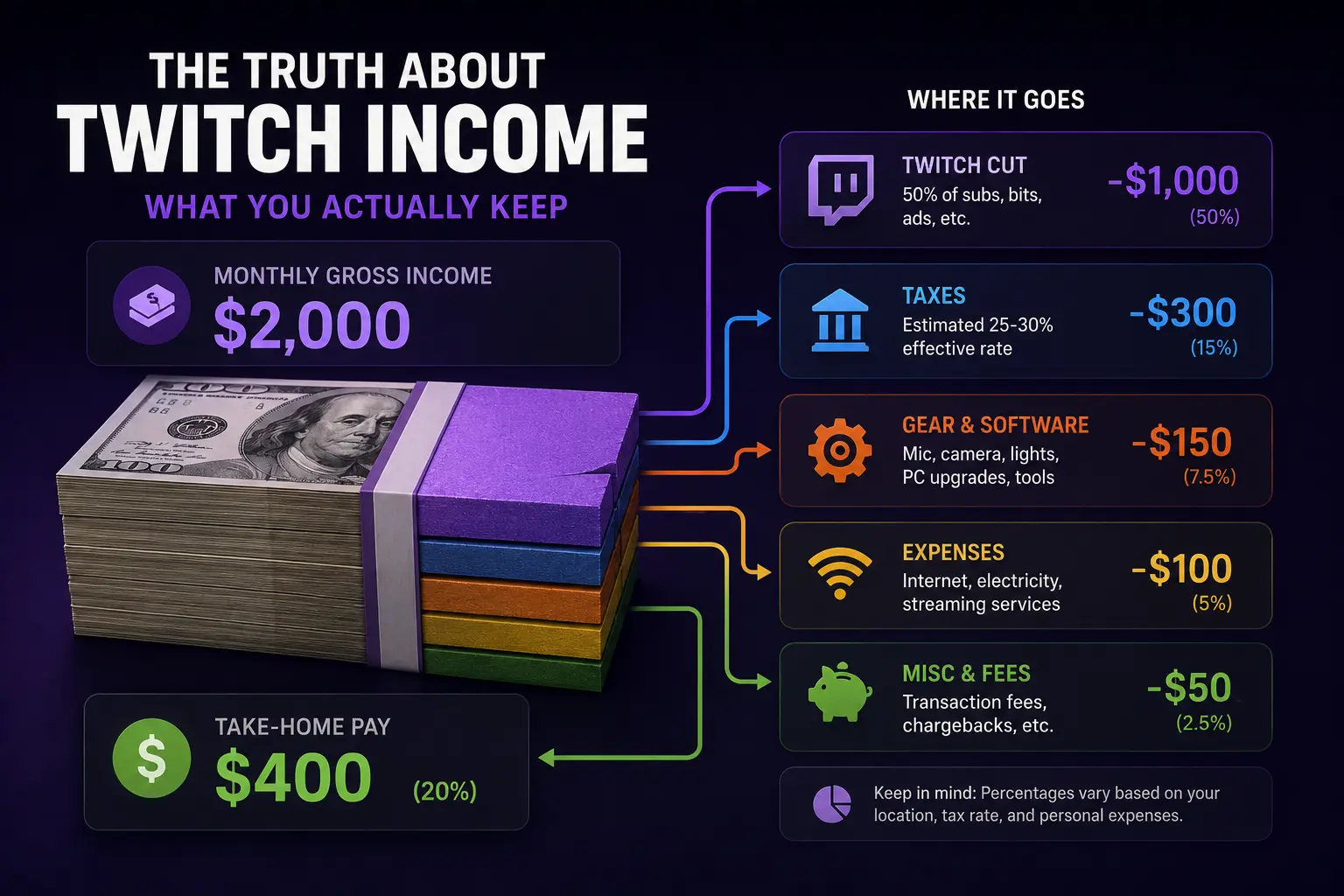
What you actually keep: Twitch's cut, taxes, and setup costs
Gross income is not take-home pay. To show what's really left, here's the math for a hypothetical mid-tier streamer grossing $2,000 a month, with subs as the main source.
Twitch's 50% split eats the biggest chunk. Then federal self-employment tax, then income tax, then the gear you bought to stream in the first place, amortized across the year.
| Deduction | Amount | Running balance |
|---|---|---|
| Gross revenue (subs-heavy) | $2,000 | $2,000 |
| Twitch's 50% cut on subs | -$1,000 | $1,000 |
| US self-employment tax (~15.3%) | -$153 | $847 |
| Federal income tax (estimated 12% bracket) | -$102 | $745 |
| Amortized gear ($1,200 rig / 12 months) | -$100 | $645 |
That mid-tier streamer who looked like they were making $2,000 a month is actually clearing closer to $645. And that's before state taxes, internet upgrades, software subscriptions, or accountant fees.
State income tax adds another layer of variance. A California streamer might lose 9% more, a Texas or Florida streamer pays zero state income tax, and that gap alone can be the difference between sustainable and unsustainable at the small tier.
Twitch also holds payouts until you cross a $50 minimum threshold. Early-stage streamers often sit on balances for months waiting to hit it, and a $12 month rolls into the next cycle rather than landing in your account.
Affiliate and Partner payouts differ too. Both clear monthly, but Partners typically get faster ACH processing and access to ad revenue terms Affiliates don't, which compounds the gap between the tiers.
Starter rig costs run $500 to $2,000+. A solid PC upgrade, a decent mic, lighting, a capture card if you stream from console, and a webcam that doesn't make you look like a 2007 Skype call.
Income volatility makes the tax piece worse. A $2,000 month followed by a $700 month still owes self-employment tax on both, with no employer-side withholding to soften it.
Most working streamers set aside 25% to 30% of every payout for quarterly estimated taxes. Skip that step and April becomes a very bad month.
How Twitch earnings compare to gaming reward apps
Streaming is a high-ceiling, low-floor, multi-year time investment. Gaming reward apps are the opposite: low-ceiling, immediate-floor, no audience required.
Neither is wrong, they just suit different goals. The table below puts the trade-offs side by side.
| Path | Time to first $1 | Realistic year-1 earnings | Upfront cost | Skill ceiling |
|---|---|---|---|---|
| Twitch streaming | 6–12 months (Affiliate + first sub) | $0–$500 total for most | $500–$2,000+ rig | Very high |
| EarnStar (gaming rewards) | Same day | $10–$50/month casual play | $0 | Low |
| HeyCash (fun-first gaming) | Same day | $5–$30/month casual play | $0 | Low |
| TopSurveys (surveys) | Same day | $20–$80/month consistent | $0 | Low |
Streaming suits the committed creator chasing scale. If you genuinely love being on camera, enjoy community building, and have the patience for a two-year runway with no guarantee, it can pay off.
The top end is real money, and the skill ceiling rewards the few who climb it. The honest downside is that 87% earn nothing, and even the 13% who do break through often work part-time-job hours for fast-food-job money in year one.
Reward apps suit the casual gamer who wants real earnings from gaming time they're already spending. No camera, no schedule, no Affiliate threshold, just play, earn, and cash out.
The trade-off is the ceiling: reward apps won't replace a salary, and they aren't designed to. They're designed to convert wasted gaming time into a few hundred extra dollars a year with zero career risk.
Both paths can stack cleanly. Plenty of streamers run reward apps, where you get paid to play games, in the background between sessions to smooth out the rough months, especially in the first year before subs start rolling in.
Your smarter path to gaming income
Streaming is a legitimate option for the committed few, but the math is brutal for casual gamers. A multi-year time investment, $500 to $2,000+ in gear, and an 87% chance you earn nothing isn't a side hustle. It's gambling with your career.
EarnStar flips the model. You earn from the gaming you're already doing, you get paid the same day, and setup costs you nothing. It might not make you rich and famous like Pokimane or xQc, but it gives you a risk-free way to turn your casual gaming time into an extra source of income.
Frequently asked questions about Twitch streamer earnings
Quick answers on Twitch payouts, streamer income, taxes, monetization timelines, and whether streaming is realistically worth the time investment in 2026.


Get paid to play games
EarnStar pays you real cash for playing games on your phone. Cash out to PayPal or 200+ other methods anytime.