Tyler "Ninja" Blevins is reportedly worth around $50 million as of 2026, and that figure is the answer to a question millions of search bars ask every month: how does a Halo player from Detroit turn streaming into eight figures? It didn't happen by accident, and it didn't come from one platform.
This article walks through the full income breakdown, the year-by-year timeline, the headline-grabbing Microsoft Mixer deal, the comeback after Mixer collapsed, his 2024 melanoma diagnosis, and the practical lesson hiding inside it for everyday gamers.
The principles behind Ninja's empire (diversification, consistency, audience building) are universal even if his scale isn't, and there's a realistic path further down the page.
If you're reading this because you want to earn from gaming yourself, EarnStar is built for exactly that. Skip ahead to the playbook section or read on.
Ninja's net worth in 2026
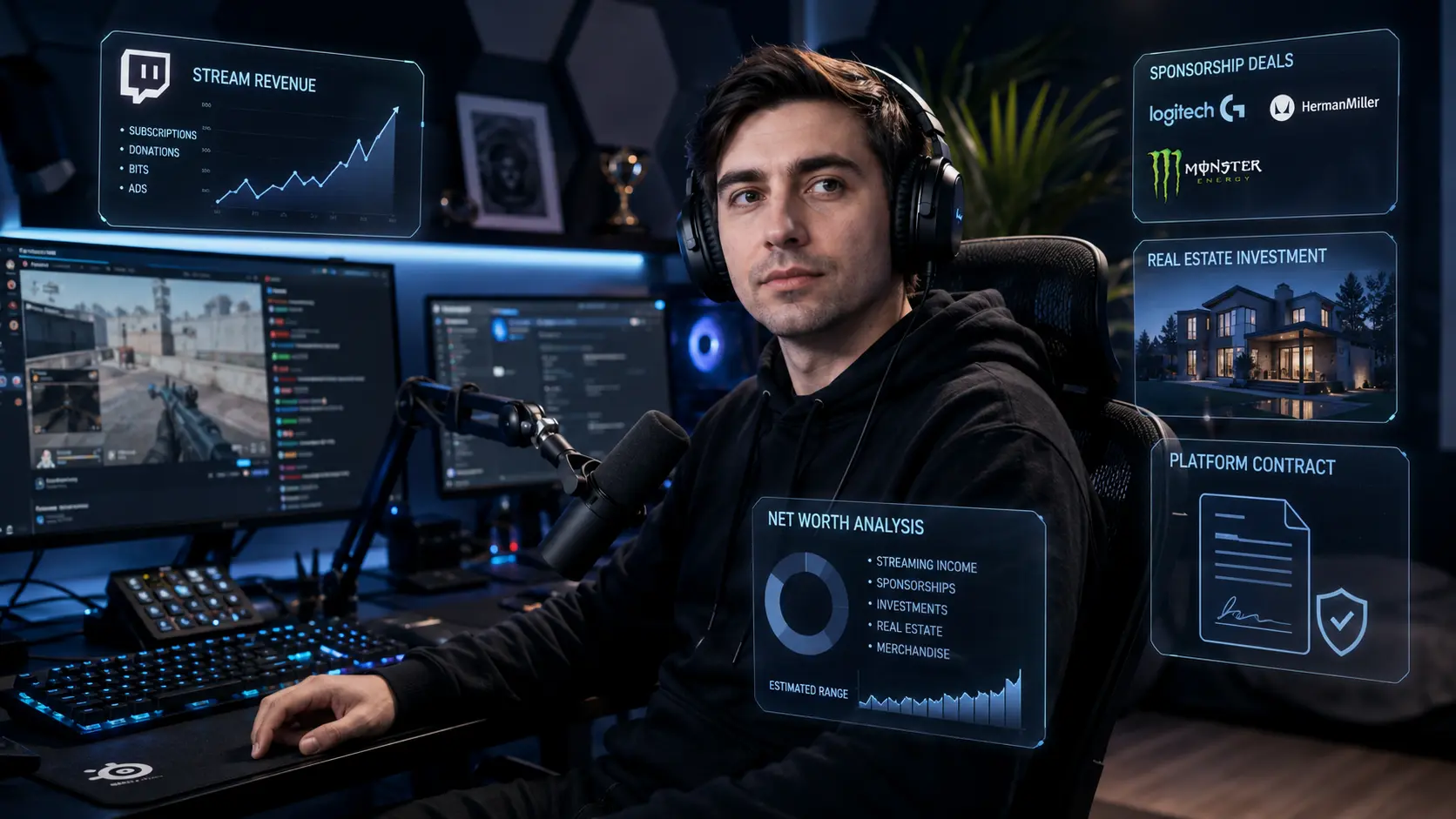
The widely cited estimate puts Ninja's net worth at roughly $50 million in 2026.
That number is a public-source aggregate, drawn from Twitch and Mixer reporting in Reuters, ESPN, and Forbes, brand-deal announcements he and his partners have publicly disclosed, and media estimates compiled across his career.
It's important to be upfront about what that means: net worth figures for private creators are estimates, never audited financials. They're useful as a directional benchmark, not a tax return.
Most editorial coverage converges on the same $50 million ballpark, and few of those pages show their math. The math matters here, because the $50M figure is built from at least five distinct revenue streams stacked over more than a decade. That stacking is exactly what separates Ninja from the dozens of streamers who hit one good year and faded.
For context, Forbes' 2024 Top Creators List reported that the top 50 creators generated a combined $720 million in earnings, an average of more than $14 million per name.
Ninja's accumulated $50 million reflects more than a decade of compounding inside that elite band, alongside peers like Shroud, xQc, and Pokimane. Reported peak monthly earnings of $500,000 to $1 million during 2018 and 2019 set the ceiling, at the height of the Fortnite explosion.
Where did all that come from? Five places, mostly, and the math gets a lot clearer once you see the breakdown.

How Ninja made his money: income breakdown by source
The single biggest reason Ninja's wealth is durable is that he never bet the house on one platform or one income stream.
According to research from Companies History citing Precedence Research, creators with three or more revenue streams earned $75,000 more on average in 2025 than creators relying on a single source.
Ninja stacked at least five, and at peak he was running most of them simultaneously.
| Income source | Estimated lifetime contribution | How it works |
|---|---|---|
| Twitch subscriptions, bits, and ads | Large, primary launch pad | Paying subs, donations, and pre-roll ads on live and VOD content |
| Microsoft Mixer exclusivity deal | Reported around $30M, plus buyout | Multi-year exclusive contract from August 2019 to June 2020 |
| Brand partnerships and sponsorships | Significant, ongoing | Red Bull, EA, Adidas, Samsung, Uber Eats, NFL collaborations |
| YouTube AdSense | Steady long-tail revenue | Pre-roll and mid-roll ads on uploads and clips with hundreds of millions of views |
| Merchandise and apparel | Notable, brand-driven | Adidas Time In sneaker line and Ninja-branded apparel |
| Book and media appearances | Smaller but visible | "Get Good" book with Penguin Random House, The Masked Singer, ESPN The Magazine cover |
A note on the data: every figure above is an aggregated estimate compiled from public reporting in Reuters, Forbes, ESPN, and Bloomberg.
Private creators don't publish income statements, so treat the table as directional rather than precise.
According to research compiled by Companies History in 2025, around 68.8% of creators cite brand deals as their primary income stream, and Ninja's mix mirrors that wider trend.
The diversification, not any one deal, is the story.
Twitch subscriptions, bits, and ads
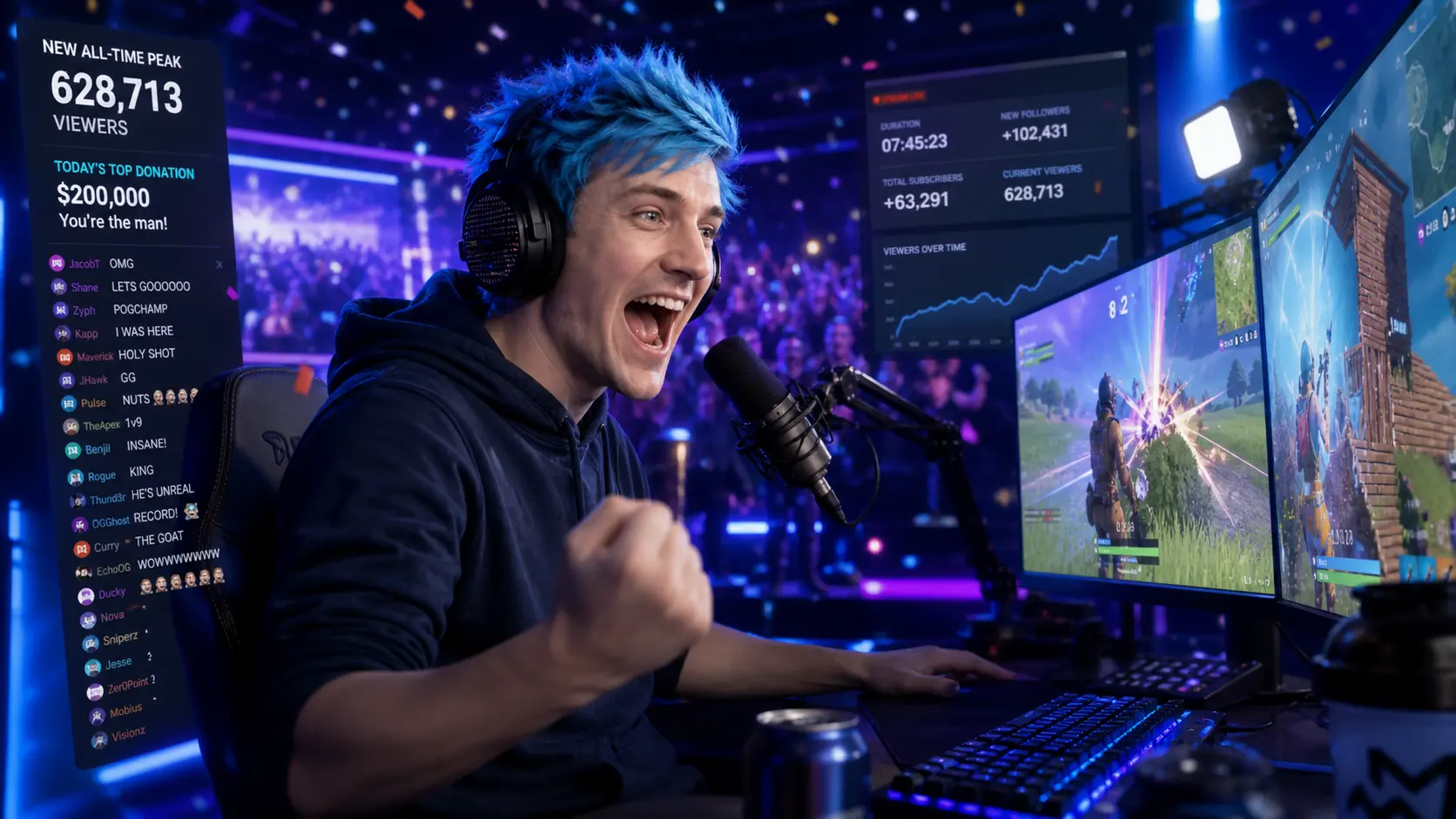
Twitch was the launchpad. At peak, Ninja reportedly held more than 269,000 paying Twitch subscribers, a number no streamer had ever hit.
After Twitch's revenue split, top streamers like Ninja typically kept $2.50 to $3.50 per subscriber per month, before bits, donations, and ad-rev share stacked on top.
The math at that subscriber count alone clears mid-six figures a month from one revenue line on one platform.
The Drake co-stream in March 2018 hit a then-record 628,000 concurrent viewers and triggered the sub spike that defined his peak earnings era.
That stream was a revenue inflection point that dragged sponsorship values up alongside the audience.
YouTube AdSense and the long tail
The YouTube layer is the one most coverage skips. Ninja's channel has accumulated hundreds of millions of lifetime views, and gaming content typically earns in the $2 to $8 CPM range for ad revenue.
Even on conservative assumptions, a channel that size produces a steady AdSense baseline from old uploads, highlights, shorts, and clips long after each live stream ends.
It's a textbook example of how long-tail content compounds when you've spent years building the back catalog.
Brand deals and sponsorships
Brand deals have been a consistent pillar since the Twitch peak.
Ninja became the first Red Bull-sponsored gamer, signed a reported $1 million deal with EA to launch Apex Legends in 2019, partnered with Adidas on the Time In sneaker line, and took on collaborations with Samsung, Uber Eats, and the NFL.
Ninja's heavy reliance on brand income isn't unusual for top creators; it's the norm.
Merchandise, book, and media
The merch line is its own business. The Adidas Time In sneaker collaboration put Ninja's name on a globally distributed product, and Ninja-branded apparel kept selling outside that deal.
In 2019, he published "Get Good: My Ultimate Guide to Gaming" with Penguin Random House, and appearances on shows like The Masked Singer pulled him into mainstream entertainment.
None of these line items is a Mixer-sized payout on its own, but stacked together they form a revenue base that doesn't require him to be live every day. That's the point.
How Ninja compares to other top streamers
Ninja’s estimated $50 million net worth places him among the highest-earning gaming creators, alongside other streamers operating at a similar scale.
Ninja vs xQc
Both Ninja and xQc are widely reported to have net worths in the tens of millions, with many estimates placing them around the $50 million mark.
xQc’s earnings come primarily from streaming, platform deals, and sponsorships, including a high-value contract with Kick and ongoing activity across Twitch and YouTube.
Ninja’s earnings, by contrast, include platform revenue, brand partnerships, merchandise, and large one-off deals such as the Microsoft Mixer contract, which contributed significantly to his total wealth.
Ninja vs Kai Cenat
Kai Cenat’s net worth is typically estimated between $35 million and $45 million, placing him just below Ninja in overall wealth.
He is one of the most prominent current streamers, with record-breaking Twitch subscriber numbers and a large global audience.
Like Ninja, his income comes from a mix of platform earnings, brand partnerships, and content monetisation, although exact breakdowns are not publicly disclosed.

Ninja's earnings timeline: from Halo grinder to $50M
The headline number is the easy part. The interesting part is how long it took to get there. Most coverage skips the years where Ninja earned next to nothing, but those years are where the foundation was poured.
2009: Ninja turns pro on Halo 3, competing with Cloud9, Renegades, and Team Liquid across the competitive circuit. Tournament prize money and team stipends in this era are modest, well under what a typical entry-level corporate job pays.
2011 to 2017: The grinding years. Ninja streams across multiple games (H1Z1, PUBG, and others) building a Twitch audience steadily. Income exists but isn't headline-grabbing, and most observers wouldn't have flagged him as a future eight-figure earner.
2017: Fortnite launches into early access. Ninja is one of the earliest high-profile streamers to go all-in on the game, and his follower growth accelerates fast as Fortnite goes mainstream.
March 2018: The Drake co-stream. Ninja and rapper Drake play together live and pull a then-record 628,000 concurrent viewers. This fully cements Ninja as the face of streaming, and his subscriber count, brand interest, and earnings all spike simultaneously.
2018: Ninja reportedly earns more than $10 million across the year, signs the $1 million EA Apex Legends launch deal, and runs concurrent partnerships with Red Bull, Samsung, and others. Monthly earnings hit a reported $500,000 to $1 million at the very top.
August 2019: Microsoft announces an exclusivity deal moving Ninja from Twitch to its Mixer platform. Reports place the deal value in the $20 to $30 million range, the largest individual streamer contract on record at the time.
June 2020: Microsoft shuts down Mixer. Per multiple reports, Ninja receives a sizeable buyout, and total Microsoft-Ninja money across the relationship lands at around $40 million. He becomes a free agent.
September 2020: Ninja returns to streaming, eventually settling back on Twitch without exclusivity. He starts experimenting with multi-platform broadcasting and YouTube uploads alongside live content.
2021 to 2024: Ninja diversifies across Twitch, YouTube, and later Kick, with brand deals continuing to flow and a more flexible streaming cadence than the daily peak-era grind. Income is well below the 2018 peak, but the back catalog and brand income keep the wealth compounding.
2024: Ninja announces a melanoma diagnosis (covered in detail in the Peak vs. current section below).
2025 to 2026: Ninja continues to stream selectively, maintains brand partnerships, and reportedly leans more on accumulated assets than weekly stream income. The current $50 million net worth figure reflects more than fifteen years of stacked decisions, not one viral moment.
The Mixer deal and what came after
The Mixer deal is the single most-asked sub-question in the SERP, and for good reason. In August 2019, Microsoft announced that Ninja was leaving Twitch to stream exclusively on Mixer, Microsoft's competing platform.
The contract value was never officially confirmed, but reports across Reuters, Bloomberg, and other outlets placed it in the $20 to $30 million range, with most coverage settling around the $30 million figure.
For comparison, fellow streamer Shroud reportedly signed a similar exclusivity deal worth around $10 million, putting Ninja's contract on a different scale entirely.
Reported value of the Microsoft Mixer deal: around $30 million, with a buyout that pushed total Ninja-Microsoft money to roughly $40 million.
The bet didn't work out for Microsoft. Mixer never reached the audience Twitch held, and in June 2020 Microsoft announced it was shutting the platform down.
As part of the wind-down, Ninja received a buyout that released him from the exclusivity contract, making the combined Microsoft relationship one of the largest individual paydays in streaming history, regardless of how Mixer ultimately performed.
The post-Mixer chapter is where most coverage stops. After the platform closed, Ninja entered a brief free-agent period with offers from every major streaming service.
He returned to Twitch in September 2020 without exclusivity this time, which let him diversify across Twitch, YouTube, and later Kick. That non-exclusive setup is one reason his current earnings are more resilient than another single-platform deal would have allowed, a quiet lesson in how creators build leverage.
Peak vs. current earnings: what Ninja makes now
There's no honest way to write about Ninja's wealth in 2026 without acknowledging that current earnings are well below peak. The good news is the peak was so high that the compounding from those years has carried the net worth forward.
| Era | Peak (2018 to 2019) | Current (2025 to 2026) |
|---|---|---|
| Reported monthly earnings | $500,000 to $1,000,000 | Materially lower, exact figure undisclosed |
| Twitch paying subscribers | More than 269,000 at peak | Significantly reduced post-comeback |
| Headline brand deals | EA, Red Bull, Adidas firing simultaneously | Brand partnerships still active, fewer marquee launches |
| Streaming cadence | Daily, multi-hour sessions | Reducedafter 2024 melanoma diagnosis and treatment |
| Cultural moment | Drake co-stream era, peak Fortnite | Multi-platform creator with established legacy |
Peak Ninja was the cultural face of streaming. He held the most-subbed channel on Twitch, ran multiple seven-figure brand deals at once, and pulled in monthly numbers most streamers will never see in a year.
Current Ninja is something different: a more selective creator with a stable back catalog, ongoing brand income, accumulated investments and real estate, and a multi-platform footprint across Twitch, YouTube, and Kick.
The compounding from his peak years is what keeps the $50 million figure intact, even though weekly stream revenue is a fraction of what it once was.
The 2024 melanoma diagnosis is the part of his story that gets handled badly elsewhere, so it's worth being clear. Ninja announced the diagnosis publicly and has been transparent with his audience about treatment and recovery.
He's continued to engage through health updates, brand work, and selective streaming, but the cadence is genuinely different from peak.
Most older "net worth" articles haven't been updated to reflect that, which is the single biggest reason a 2026-current piece on this topic looks nothing like a 2019 one.
How Ninja has diversified beyond streaming income
Ninja’s wealth isn’t limited to what he earns from streaming platforms. Public reporting shows he has built a portfolio that extends into real estate, business roles, and startup investments.
He owns multiple properties, including a Southern California home valued at around $4 million, alongside additional real estate holdings in Chicago. These assets form part of the longer-term wealth base behind the headline net worth figure.
Ninja has also moved into the business side of gaming. In 2023, he joined GameSquare as Chief Innovation Officer, taking on a role focused on esports infrastructure, partnerships, and brand development at a corporate level.
He has also invested in consumer and lifestyle startups, including companies such as Pathwater and Pair Eyewear, although the size and performance of those investments are not publicly disclosed.
These moves show a shift away from purely platform-driven income toward assets and ventures that don’t rely on daily streaming.
What Ninja's net worth journey teaches everyday gamers
Here's where the celebrity profile turns into something useful. The lesson hiding inside Ninja's net worth story isn't "go pro and stream Fortnite for ten years." It's that the principles behind his stack scale down to anyone with gaming time and a smartphone.
The Goldman Sachs research desk projects that the global creator economy could roughly double from $250 billion today to around $480 billion by 2027, with the global creator population growing at a 10% to 20% compound annual growth rate over the next five years.
Grand View Research found that individual content creators captured 57.2% of creator economy revenue in 2024, the largest share of any segment.
Translation: this is a real, growing income lane, and individuals (not platforms or agencies) are the ones capturing most of the upside.
You don't need 269,000 subs to participate.
There are three transferable principles to pull from Ninja's playbook:
- Diversify across more than one income source: Creators with three or more revenue streams earned $75,000 more on average in 2025 than single-source creators. Ninja didn't get rich from Twitch alone. You shouldn't expect to get rich from one app alone either.
- Build the habit before chasing the payout: Ninja grinded for nearly a decade before Fortnite happened. The casual-gamer version is showing up consistently for a few months instead of bouncing between apps weekly.
- Treat gaming time like a job, not a hobby, when you're trying to earn: Ninja's hours were brutal at peak. You don't need brutal hours to earn meaningfully, but you do need intentional ones.
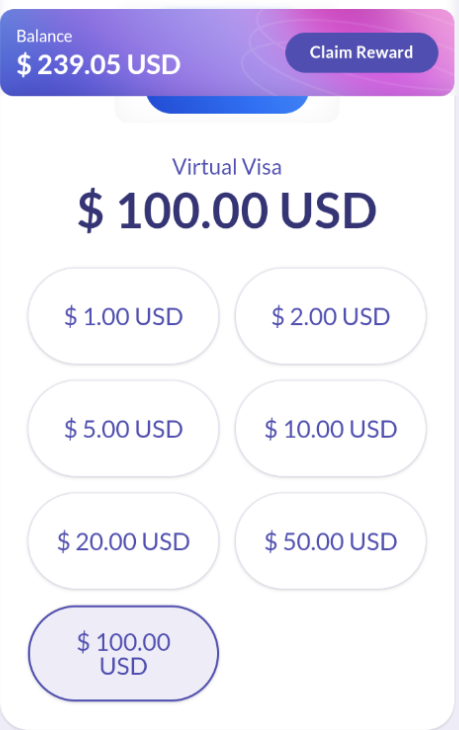
The most practical entry point for casual gamers is EarnStar. It's cross-platform on iOS, Android, and the web, with a wide game library, same-day payouts, and a $1 minimum cash-out so you can actually withdraw what you earn instead of grinding toward a $50 threshold.
Users have reported earning real money from gameplay they were doing anyway, on whichever device they happen to have on them.
If gaming isn't your only path, sister options are worth knowing about. HeyCash is a fun-first gaming rewards app for casual players who want entertainment with earnings as a bonus. PaidTester pays you to test apps and websites for non-gameplay work.
Prime Opinion is a reliable surveys-and-rewards platform if you prefer questions to games. Stack one alongside EarnStar and you're applying Ninja's three-streams principle at the casual scale.
Diversify your income streams
Ninja's wealth came from layering Twitch, YouTube, brand deals, merch, the Mixer payout, and book and media. You don't have those line items, but you have analogues.
Stack EarnStar with a survey app like Prime Opinion or TopSurveys. The Companies History 2025 stat on three-stream creators isn't an accident, it's a function of how diversification smooths out bad weeks on any single channel.
Build the habit before chasing the payout
The single biggest mistake casual earners make is bouncing between apps every two weeks chasing the highest sign-up bonus.
Consistency unlocks higher-paying offers, level bonuses, and longer-running tasks inside apps like EarnStar that one-off users never see. Ninja signed the EA deal after nearly a decade of daily reps.
The casual-gamer version is months, not years, but the principle is identical.
Frequently asked questions about Ninja's wealth
Straight answers to the most common questions about Ninja’s net worth, earnings, and how he built his wealth.

Start earning today
Start earning real cash and gift cards in minutes by playing games, completing simple tasks, and hitting milestones. Your first PayPal payout could arrive in under 2 minutes.