Bingo Cash has a 4.7-star rating and more than 300,000 ratings on the US App Store. Yet for every "I won $83 in one tournament" post, there's a "this is rigged" reply right below it. That's why "is Bingo Cash legit?" still dominates Reddit threads and review sections.
There's a big audience asking. Mobile gaming generated an estimated $126 billion globally in 2025, and puzzle and strategy titles remain a favorite genre for US gamers, named by 48% of those surveyed in 2026. Bingo-style skill games sit squarely in that demand.
This review breaks down both sides: a clear legitimacy verdict, how the money mechanics actually work (including the bonus cash trap that catches most new players), the recent lawsuits that reshape the whole question, and seven tested strategies for winning more. If you're weighing your options, it's also worth seeing how EarnStar compares to Bingo Cash.
Quick verdict on Bingo Cash
Bingo Cash is a genuine app from an established company. Papaya Gaming, the developer, is a registered business with multiple published titles and millions of downloads across iOS and Android. Players have withdrawn actual money, and third-party review sites confirm payouts happen.
That said, "real and paying" is not the same as "as advertised", and recent court findings complicate the simple "legit" label.
- Verdict: Established company, verified payouts, legitimate app store presence. But the "skill-based" promise at the heart of its marketing is now under serious legal challenge (see the lawsuits section below), so "legit" comes with caveats.
- Earning reality: Low for free-to-play users, since bonus cash cannot be withdrawn. Moderate for skilled players in paid tournaments, but most participants lose money over time.
- Risk: The financial risk is genuine. You deposit your own money to enter cash tournaments, and Papaya Gaming takes a cut of every prize pool.
- Legal status: In April 2026, a federal jury found Papaya liable for false advertising over its use of bots, and a state regulator (Michigan) has labeled its cash games illegal gambling. Papaya denies wrongdoing and disputes the verdict. This is the most significant development since the app launched.
Free entertainment seekers will find genuine value in Bingo Cash's gameplay. Players chasing consistent side income, however, will hit a wall with the pay-to-play model faster than the ads suggest.
What is Bingo Cash and how does it work?
Bingo Cash is a skill-based bingo game developed by Papaya Gaming. It's available on iOS through the App Store and on Android, though on Android it's distributed outside the Google Play Store, via direct download or the Samsung Galaxy Store, because Google restricts real-money games.
In 2025, Papaya refreshed the app's branding to Papaya Bingo Cash across its official social channels, but the game is still widely listed and downloaded under the original Bingo Cash name on app storefronts. Players compete head-to-head or in small tournaments for cash prizes, and the app's key selling point is that speed and pattern recognition, not pure luck, are meant to determine your score.
The core gameplay loop works like this: you receive a bingo card, numbers are called in real time, and you daub (tap) matching numbers as fast as possible. Points are awarded for each correct daub, with bonus points for completing patterns like rows, columns, diagonals, and corners.
Every player in a match receives the same card layout, so the competition is designed to come down to reaction time and strategy. (That skill-based premise is exactly what recent lawsuits have challenged; more on that below.)
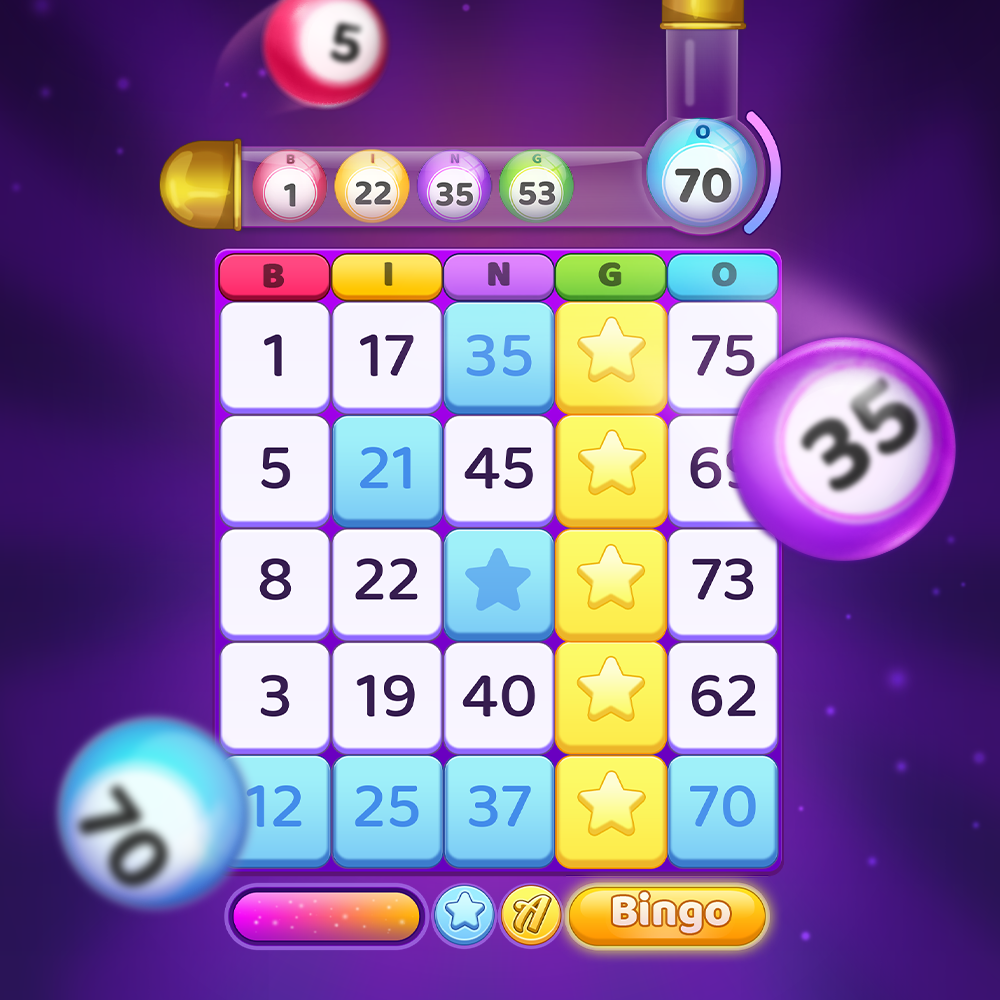
Two modes are available. Free practice games and daily rewards let you earn bonus cash and Gems at no cost. Paid cash tournaments require entry fees ranging from $0.60 to over $20, with prize pools funded by those entry fees (minus Papaya Gaming's cut).
The "skill-based" label matters here. Unlike traditional bingo, where everyone stares at the same numbers and hopes, Bingo Cash claims to reward players who daub faster and prioritize higher-value patterns.

Bonus cash vs. real cash
This one distinction is behind most of the app's negative reviews.
Bingo Cash runs on two currencies, and only one of them is yours to keep.
- Bonus cash is what you earn from free games and daily rewards. It shows up in your balance and looks like money, but you can't withdraw it. It only buys entry into certain tournaments.
- Real cash is the money you can actually take out. It comes from deposits you make and winnings from paid tournaments.
The problem is that your balance lumps both together. If it reads $15 but $12 is bonus cash, only $3 is yours to withdraw. It can also work against you: submitting a withdrawal request resets any bonus cash in your balance, so you can come away with less than you expected.
That gap is what burns people. Plenty of one-star reviews come from players who ground through free games, watched their bonus cash climb, and assumed they could cash it out. They couldn't. Learn the difference before you play, and you'll sidestep the most common Bingo Cash letdown.
Is Bingo Cash a scam? Evidence breakdown
The short answer: Bingo Cash pays out and comes from an established company, so it isn't a disappearing-act scam. But the picture got more complicated in 2025 and 2026, when courts and a state regulator found that its "skill-based" matches weren't always what they appeared to be.
Some of its mechanics also feel predatory if you don't understand them upfront. Let's take a closer look at the platform's credibility based on the most important signals:
Developer credibility
Papaya Gaming is an established company based in Israel with multiple published apps on both major app stores. Bingo Cash alone has millions of downloads and maintains a 4.7-star rating on iOS. The company's other titles (Solitaire Cash, Bubble Cash, 21 Cash) follow the same skill-based tournament model. This is not a fly-by-night operation.
Payment proof
Withdrawals do happen. App Store reviews include specific dollar amounts from verified winners, and third-party sites like Side Hustle Nation have documented their own deposits, gameplay, and payouts via PayPal and Apple Pay.
That kind of peer feedback carries weight: a 2024 YouGov study found gamers trust consumer reviews far more than critic reviews (24% versus 6%), so the sheer number of Bingo Cash reviews reporting real payouts is hard to wave away.
Common complaints
Legitimate frustrations exist. Higher-stakes tournaments attract more experienced players, making matchmaking feel unbalanced. The bonus cash system confuses new users into thinking they've earned withdrawable money. Customer support response times are slow, particularly for withdrawal disputes. These are design and service issues.
Bot allegations and lawsuits
This is the development that reshapes the legitimacy question, and it post-dates a lot of the older coverage of the app. Three things have landed since 2024.
A $420 million jury verdict. In April 2026, a federal jury found Papaya liable for false advertising and awarded competitor Skillz $420 million. The case, filed in March 2024 in the Southern District of New York, turned on one claim: that Papaya told users they were playing real people when they were often matched against bots. Ahead of trial, the judge found it undisputed that Papaya used "tailored sessions" to steer tournament outcomes in games sold as fair and skill-based, over a span of several years.
A $15 million settlement. Separately, Papaya settled consumer claims that it misled players into thinking the games were purely skill-based. It covers players who deposited money in Papaya games, including Bingo Cash, between January 2019 and September 2024.
A state regulator. In 2024, the Michigan Gaming Control Board issued a cease-and-desist letter calling Bingo Cash, 21 Cash, Bubble Cash, and Solitaire Cash illegal gambling in that state. And in late 2025, ESPN directed several on-air personalities to end their promotional deals with Papaya.
What it means for you: Papaya denies the bot allegations and is expected to challenge the verdict, and none of this means deposits vanish or that payouts stop. They don't. But the core promise, that results come down to your skill against other humans, was rejected by a court. Weigh that before you deposit.
Regulatory compliance
Bingo Cash is not available on the same terms in every U.S. state. Cash tournaments aren't offered in Iowa, and in Arizona, Louisiana, and Maine tournaments can only be played for bonus cash rather than real money.
Papaya applies these limits because several states restrict skill-based cash gaming. (These restrictions change, so check the current App Store listing before relying on the list.)
Geo-blocking by state shows the company is responsive to state law in at least some places. It is not, however, a clean bill of health: as noted above, Michigan's gaming regulator has gone further and labeled the cash games illegal gambling. The regulatory picture is mixed rather than simply reassuring.
Account suspension risks
One concern that competitors rarely address: accounts can be suspended or banned for violating terms of service. Using multiple accounts, sharing devices to gain advantages, or attempting chargebacks can trigger a permanent ban with forfeited balances. Playing on a single account within the app's terms is the safest path.
So is Bingo Cash a legitimate app that pays out? Yes. But "legit" doesn't mean "as advertised," and that gap is what drives most of the frustration players report. Keep both the business model and the litigation in mind before you deposit.
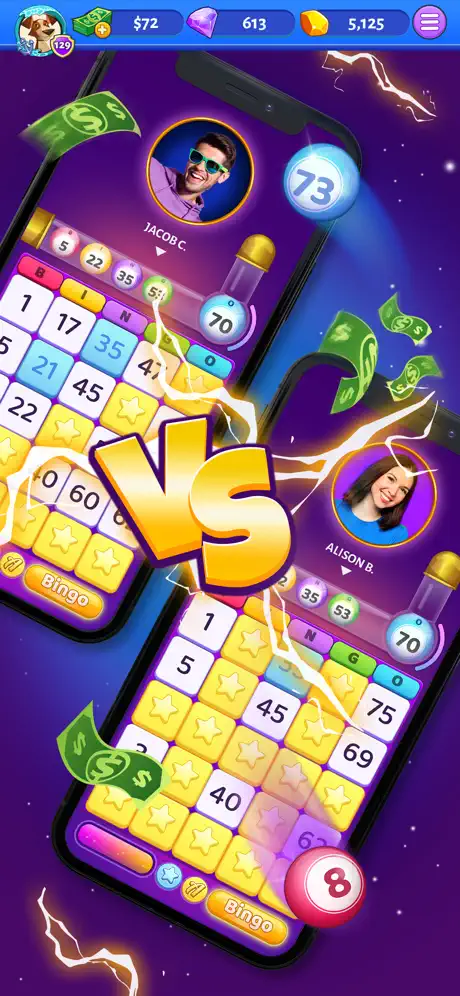
How to win at Bingo Cash (7 tested strategies)
Similar to the techniques used to maximize earnings in other games, winning at Bingo Cash comes down to three things: speed, pattern awareness, and disciplined bankroll management. The seven strategies below are built on how the app's scoring actually works.
Master the 2x daub for early points
Tapping a called number twice activates a 2x point multiplier on that square. This small action compounds over a full round, especially when applied to pattern-completing numbers. Prioritize numbers that finish rows or diagonals first, then double-tap everything else when time allows. The point differential between a player who double-daubs consistently and one who doesn't grows significant across a multi-round tournament.
Focus on completing patterns, not filling the card
Bingo Cash's scoring system rewards pattern completions, including rows, columns, diagonals, and corners, far more heavily than individual daubs. New players tend to daub numbers left to right as they appear. Experienced players scan the board for the pattern closest to completion and target those numbers first. A completed diagonal is worth substantially more than five scattered daubs.
Use power-ups at the right moment
Boosters like instant daub and extra time are most valuable when you're one or two numbers away from completing a high-value pattern. Activating them at the start of a round wastes their impact. Save them for the moments when a single pattern completion can swing the score, and you'll extract far more value from each booster.
Start with low-stakes tournaments
Enter $0.60 to $1 tournaments exclusively until you understand how the scoring system works and where your skill level sits. Moving to $5 or $10 tournaments before you've established a baseline win rate is the fastest way to drain your bankroll. The gameplay mechanics are identical across stakes, so the lower tiers teach you everything you need without the financial sting.
Track your win rate before scaling up
Play at least 20 low-stakes games and track how many you win. If your win rate falls below 40%, keep practicing at free or low-cost tiers. Scaling up with a losing record means scaling up your losses. Only move to higher stakes once you've demonstrated a consistent edge in the lower brackets.
Play during off-peak hours
Matchmaking pools shrink during late-night and early-morning hours, which can mean less competition per tournament. This is anecdotal and widely reported by experienced players, not a guarantee. Testing different times of day for yourself costs nothing in free mode and gives you data on when you perform best.
Know when to stop
Set a daily loss limit before opening the app. If you hit it, close the app. Chasing losses is the single biggest reason players report negative ROI on Bingo Cash. Bankroll management separates players who enjoy the app long-term from those who leave frustrated one-star reviews after a bad session.
How much can you realistically earn?
If you only play free, your realistic earnings are zero. Free play pays in bonus cash, and bonus cash can't be withdrawn.
Paid players who win consistently report $5 to $20 a day. But that takes real skill and a stomach for risk, because the entry fees are your own money and Papaya skims a percentage off every prize pool.
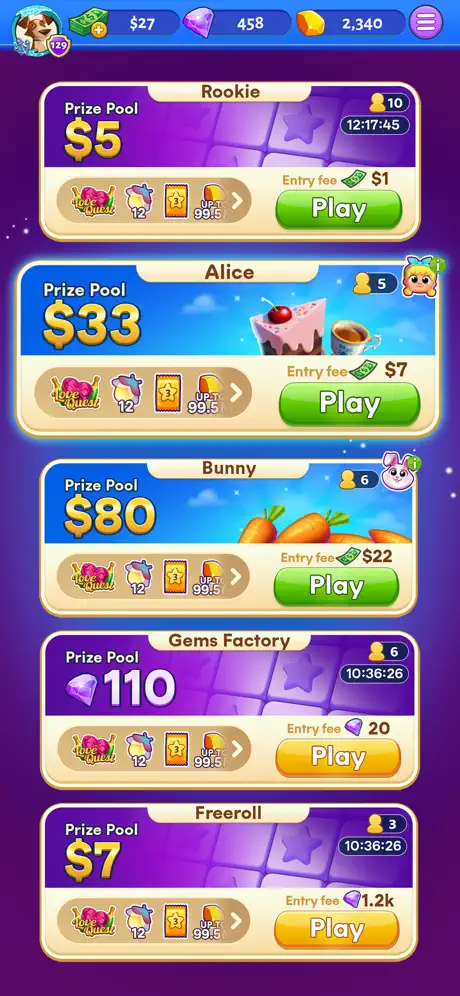
A simple earnings framework helps set expectations:
| Factor | Detail |
|---|---|
| Entry fee range | $0.60 to $20+ per game |
| Prize pool | Funded by entry fees minus house cut |
| House cut | Papaya Gaming takes an estimated 10-20% |
| Win rate needed to break even | Approximately 55-60% at most stakes |
| Realistic daily earnings (skilled player) | $5 to $20, before accounting for losses |
The Side Hustle Nation reviewer deposited $15 and reported being "underwater" after testing. That's a credible, first-person data point from someone who reviews side hustles for a living.
Over hundreds of games, most players end up down, and the model guarantees it. Because Papaya takes a cut, the money paid out is always less than the fees collected. Skilled players win at the expense of weaker ones, and the house is paid first either way.
How to withdraw money from Bingo Cash
Withdrawing from Bingo Cash is straightforward, but your first cash-out takes longer than you'd expect.
The process:
- Tap your cash balance, then select "Withdraw."
- Choose a payout method. PayPal, Apple Pay, Venmo, and card are listed, though Papaya often just returns funds the same way you deposited.
- Enter the amount. Minimums are low (around $2 for PayPal), but reviewers report a $1 fee, so a small cash-out nets less than you ask for.
- Confirm. Processing usually takes 24 to 72 hours.
Your first withdrawal is slower because Papaya verifies your identity, so you'll confirm your name, address, and payment details before any funds are released. It's a fraud check, but it catches new users off guard when the first cash-out takes days instead of hours.
And remember: only the real-cash part of your balance can be withdrawn, not the bonus cash. Check the breakdown first so the final figure doesn't surprise you.
Bingo Cash vs. alternatives for earning side income
Anyone searching "is Bingo Cash legit" usually has a broader question underneath: is it the best use of your gaming time for earning side income? Here's how it stacks up against similar apps.
| Feature | Bingo Cash | Solitaire Cash | HeyCash | EarnStar |
|---|---|---|---|---|
| Platforms | iOS, Android | iOS, Android | iOS, Android | iOS, Android, Web |
| Earning model | Paid tournament winnings | Paid tournament winnings | Gaming rewards + offers | Gaming rewards + tasks |
| Minimum cashout | ~$2 (PayPal) | ~$2 (PayPal) | Varies by reward | $1 |
| Financial risk | Yes (entry fees) | Yes (entry fees) | No | No |
| Game selection | Bingo only | Solitaire only | 100+ games across genres | 100+ games across genres |
The table covers the specs. Here's what they mean in practice.
Bingo Cash is the pick if you want competitive, head-to-head bingo and don't mind risking entry fees. It's a real tournament experience. Just remember a court found its matches were undercut by bots for years.
Solitaire Cash is the same deal from the same developer, named in the same lawsuits. Swap bingo for solitaire and nothing else changes: you deposit to play, and you only profit by winning above the house cut.
HeyCash drops the entry fees, but the game list is short and a lot of the earning comes from offers rather than actually playing.
EarnStar is the lowest-risk option. You play a wide range of games with no entry fees, cash out from $5 (then $1 after that), and play on iOS, Android, or web. Since you never deposit, there's no money to lose.
Pick based on your goal. Bingo Cash rewards skill at one game and asks you to risk cash for it. EarnStar rewards your time across a bigger library and asks for nothing up front.
Should you play Bingo Cash?
It comes down to why you're opening the app.
Play it if you like fast, competitive bingo and treat entry fees as the cost of entertainment. The tournaments are genuinely fun, and if dropping $5 to $10 on an off day doesn't sting, you'll get your money's worth. Just go in aware of the bot litigation and the built-in house edge.
Skip it if you're chasing dependable side income. Free play only earns bonus cash you can't withdraw, and paid play needs a win rate above 55% just to break even, which very few players hold over the long run.
If earning is the real goal, a no-deposit app makes more sense. EarnStar pays you to play across 100+ games with no entry fees and a low cash-out threshold, so the only thing you're risking is your time. For earning over competing, that's the safer bet.
Common questions about Bingo Cash
Quick answers on payouts, withdrawals, state restrictions, and winning strategy, based on actual gameplay testing.


Win real cash without the deposit trap
Bingo Cash makes you pay to play for withdrawable money. EarnStar pays you to play games, take surveys, and complete offers with zero entry fees and no bonus cash loopholes.