While it may sound like a dream, you really can get paid to sleep. But you need to know what "paid" really means before you download anything. A few apps reward you for tracking your sleep, and a handful pay actual money for it.
With 48% of US adults having used a sleep tracker, companies are tapping into this audience by offering rewards for downloads and attention they can monetize.
The catch is that the money is pocket change. Most sleep-reward apps hand you in-game currency or crypto tokens, and the ones that pay real cash pay it in pennies.
The only way to make real money sleeping is through paid sleep studies, which routinely pay $100 to $350 a night, while the apps in this guide pay in points, tokens, or pennies.
The honest truth about getting paid to sleep
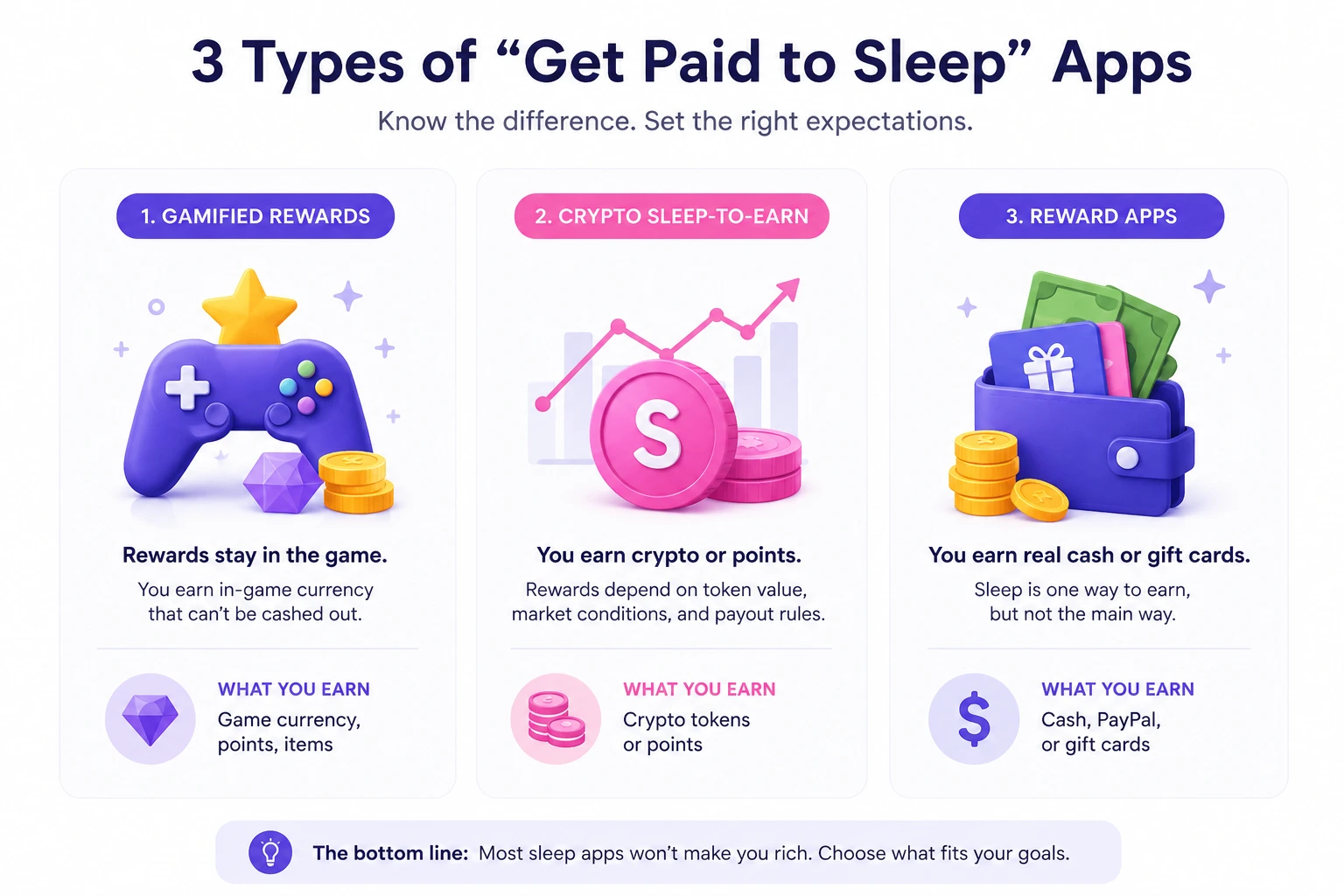
Almost no app pays you straight cash for the act of sleeping. The "get paid to sleep" market splits into three buckets, and knowing which one you're in saves a lot of disappointment.
-
The first bucket is gamified in-app rewards. Apps like Pokémon Sleep give you currency that never leaves the game, so you spend real money to play and take none of it back out.
-
The second is crypto sleep-to-earn. These apps award points or tokens that carry market risk and payout risk, so a "reward" worth something today can be worth nothing next month.
-
The third is general reward apps, where sleep is one small offer among many. The real money here comes from surveys, offers, and app trials, not from the hours you spend asleep.
The big-dollar headlines you've seen come from paid sleep studies, not apps. If your goal is real income, a faster route is something like making $100 a day online, which we cover separately.
The 5 best apps that reward sleep in 2026
We picked these five because each one represents a different bucket. Together they show the full range, from in-game points to real cash.
We included EarnStar as the deliberate contrast: like these apps, it lets you make money from otherwise wasted time, but while you're awake rather than asleep.
| App | Bucket | What you actually earn | Real cash out? | Cost to start |
|---|---|---|---|---|
| Pokémon Sleep | Gamified in-app | Diamonds, Sleep Points (in-game only) | No | Free; Premium Pass about $10/mo |
| Sleepagotchi | Crypto sleep-to-earn | vSLEEP points toward a future $SHEEP token | Not guaranteed | Free |
| Sleep Money | Reward app (sleep minor) | Pennies per ad, PayPal at $0.05 | Yes, trivial | Free |
| JumpTask | Reward app (sleep adjacent) | $JMPT crypto, 0.5 JMPT minimum withdrawal | Yes, crypto only | Free |
| EarnStar | Reward app (not sleep) | Cash and gift cards from games and surveys | Yes | Free |
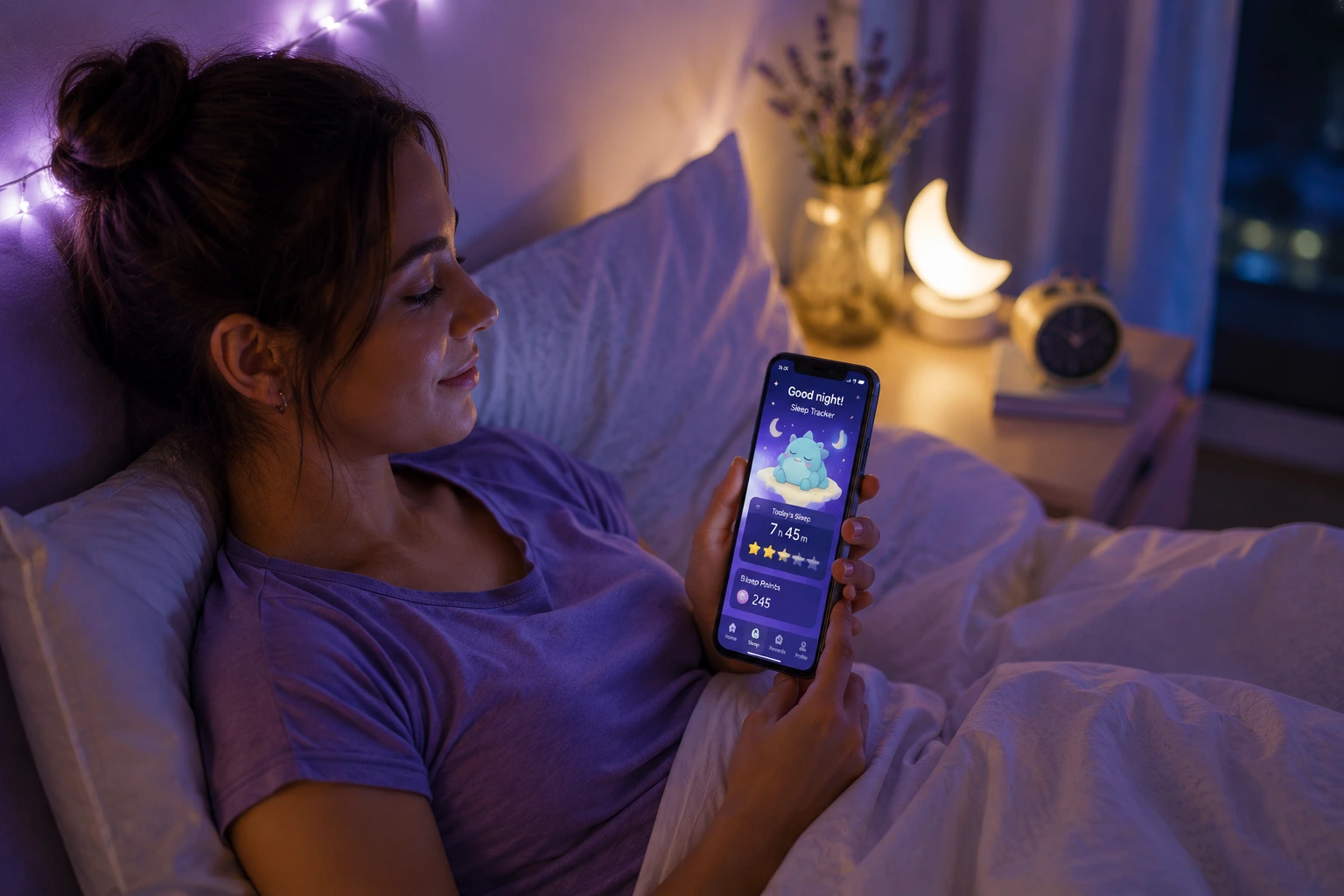
Pokémon Sleep (rewards that stay in the game)
Pokémon Sleep pays you nothing in real money. It tracks how long you sleep and turns that into a collection game, and every reward you earn stays locked inside the app.
You collect Diamonds and Sleep Points for logging consistent rest, then spend them on in-game items and Pokémon. Diamonds, the premium currency, are buyable with real money, so the cash flow runs toward the app and never back to you.
The optional Premium Pass costs around $10 a month or about $50 for six months and grants 100 extra Sleep Points a day. Check the current price in the store before you subscribe, since these plans change.
Treat Pokémon Sleep as a game that nudges better sleep habits, not as an earner. A fun routine that helps you keep a regular bedtime carries real value, but the payout in dollars stays at zero.
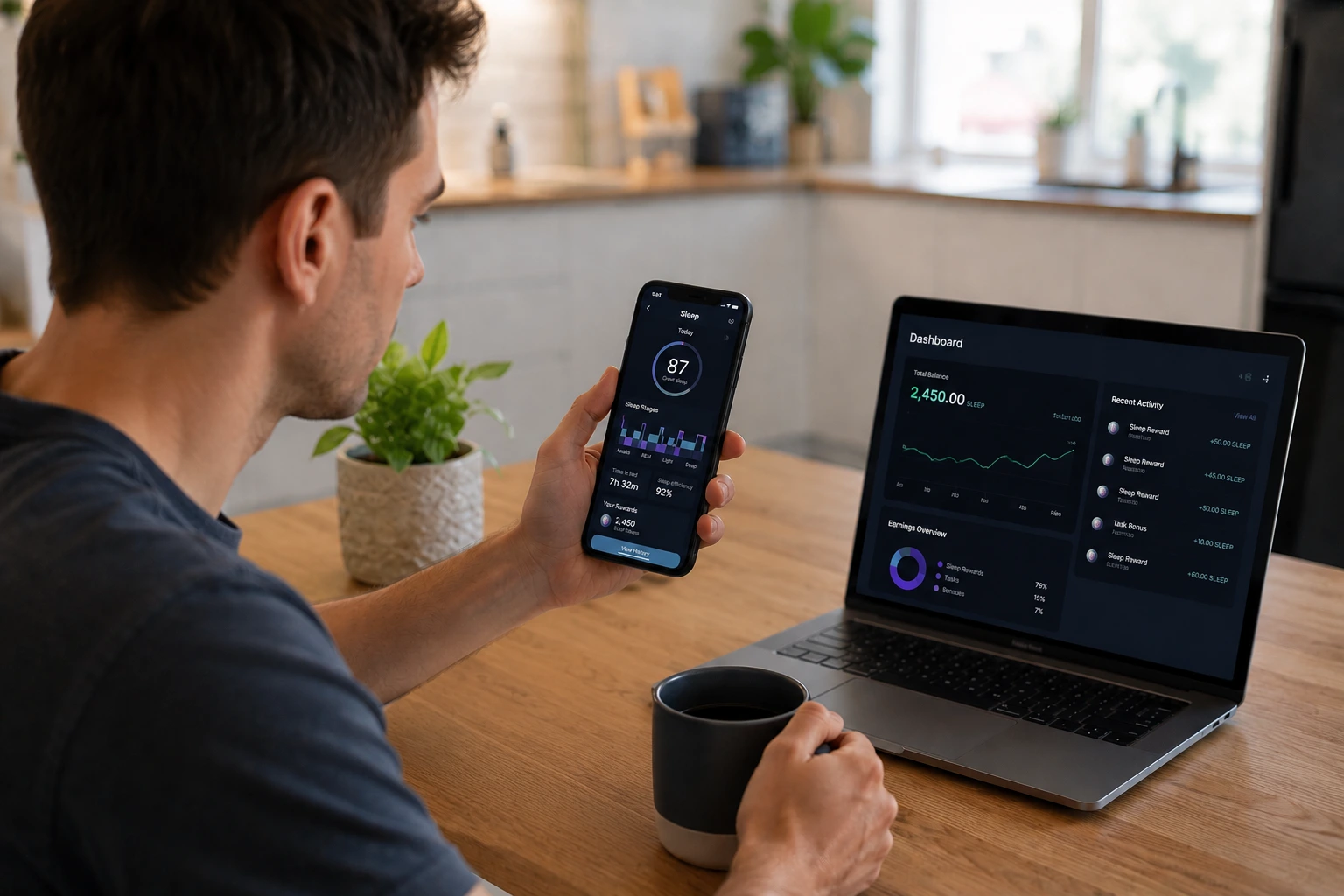
Sleepagotchi (sleep-to-earn crypto)
Sleepagotchi pays you in crypto points, not guaranteed cash. This sleep-to-earn app awards vSLEEP each morning when you hit your bedtime and wake goals, with those points meant to count toward a future $SHEEP token airdrop.
That structure carries real risk. The token isn't fully live yet, and its eventual value depends on a volatile crypto market.
Some sleep-to-earn apps also draw complaints about withdrawal limits, and payouts that never arrive are a recurring problem in the category.
Watch out for a name mix-up too. Sleepagotchi LITE is a separate Telegram tap-to-earn mini-app with no sleep tracking that pulled in more than a million users after a late-2024 launch, so confirm you've found the actual sleep-tracking app.
Token status moves fast, so confirm the live $SHEEP listing and payout terms before you count on any value. We're flagging Sleepagotchi as a cautionary example rather than an endorsement, and EarnStar never counts crypto as an earning method at all.
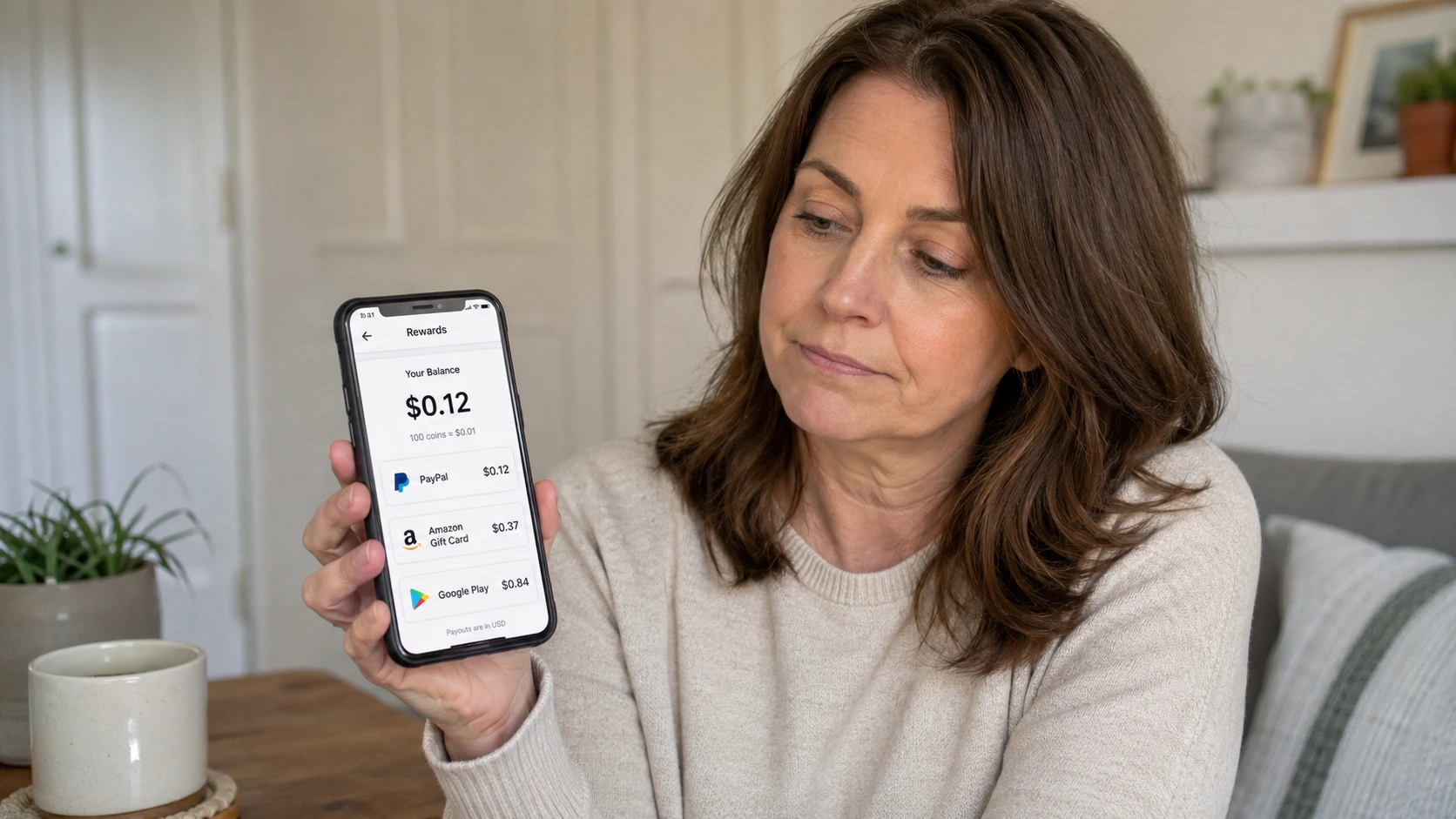 Sleep Money (real cash but literally pennies)
Sleep Money pays real money, and the amounts are tiny. The Android app pays roughly 1 to 2 cents per ad you watch and lets you cash out to PayPal once you reach 5 cents.
It's legitimate, and it does send the money. The problem is scale, because even a steady habit of watching ads adds up to lunch money over a month, not a meaningful side income.
JumpTask, a reward app where sleep is a minor offer
JumpTask pays in $JMPT crypto, and sleep is just one small offer inside a much larger reward platform. You earn mostly from microtasks, surveys, and offers, with any sleep-tracking reward being a side feature rather than the main event.
Payouts are crypto only. The platform sets a 0.5 JMPT minimum withdrawal and pays to a crypto wallet, with no PayPal or gift-card option.
It reports more than $2.8 million paid across over 2.9 million payouts.
For anyone who wants withdrawable dollars or gift cards instead of tokens, JumpTask's crypto-only model is a real limitation. The sleep offer inside it pays in the same tokens, so it inherits the same volatility.
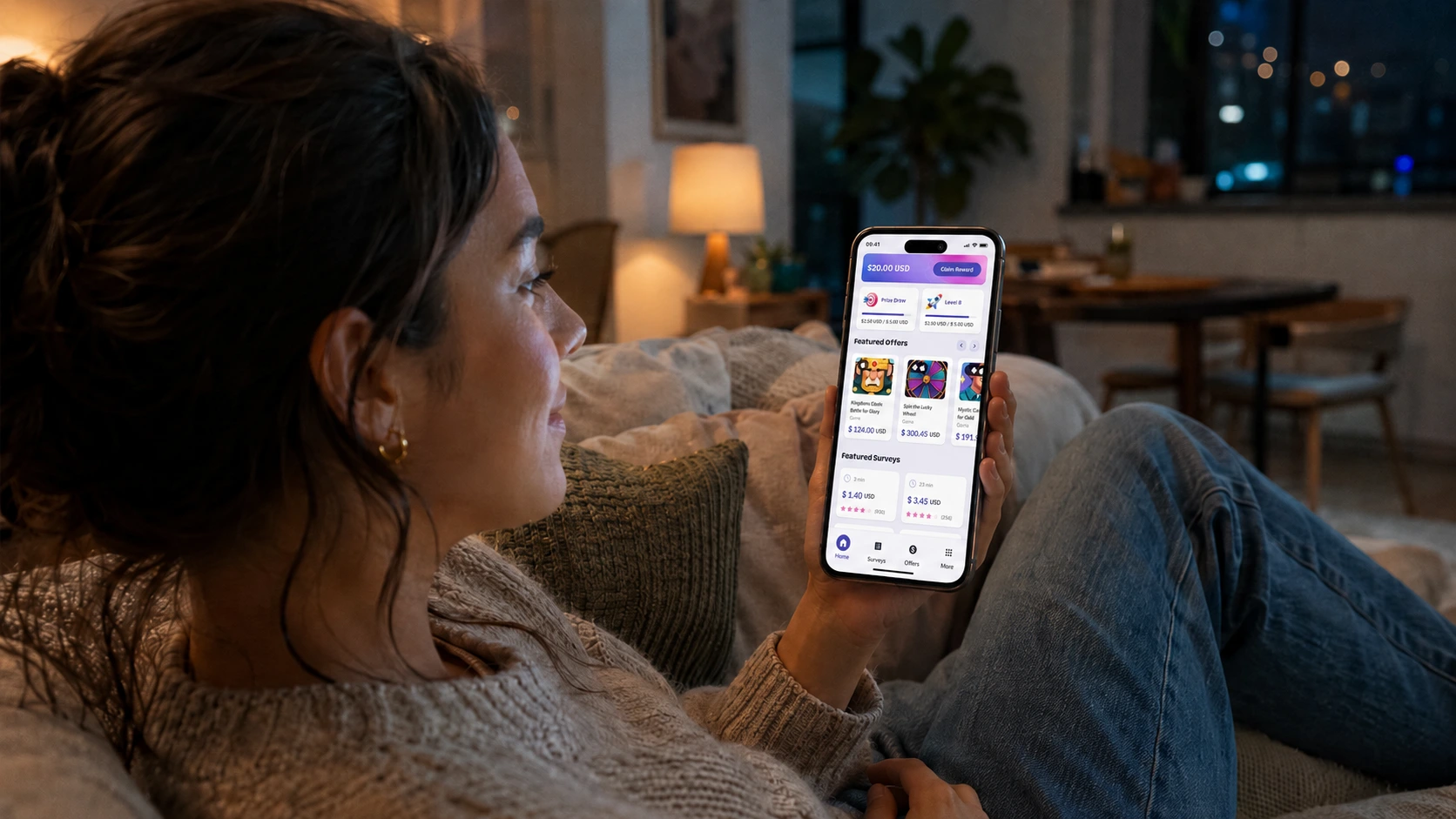
EarnStar (the real-cash alternative to sleep apps)
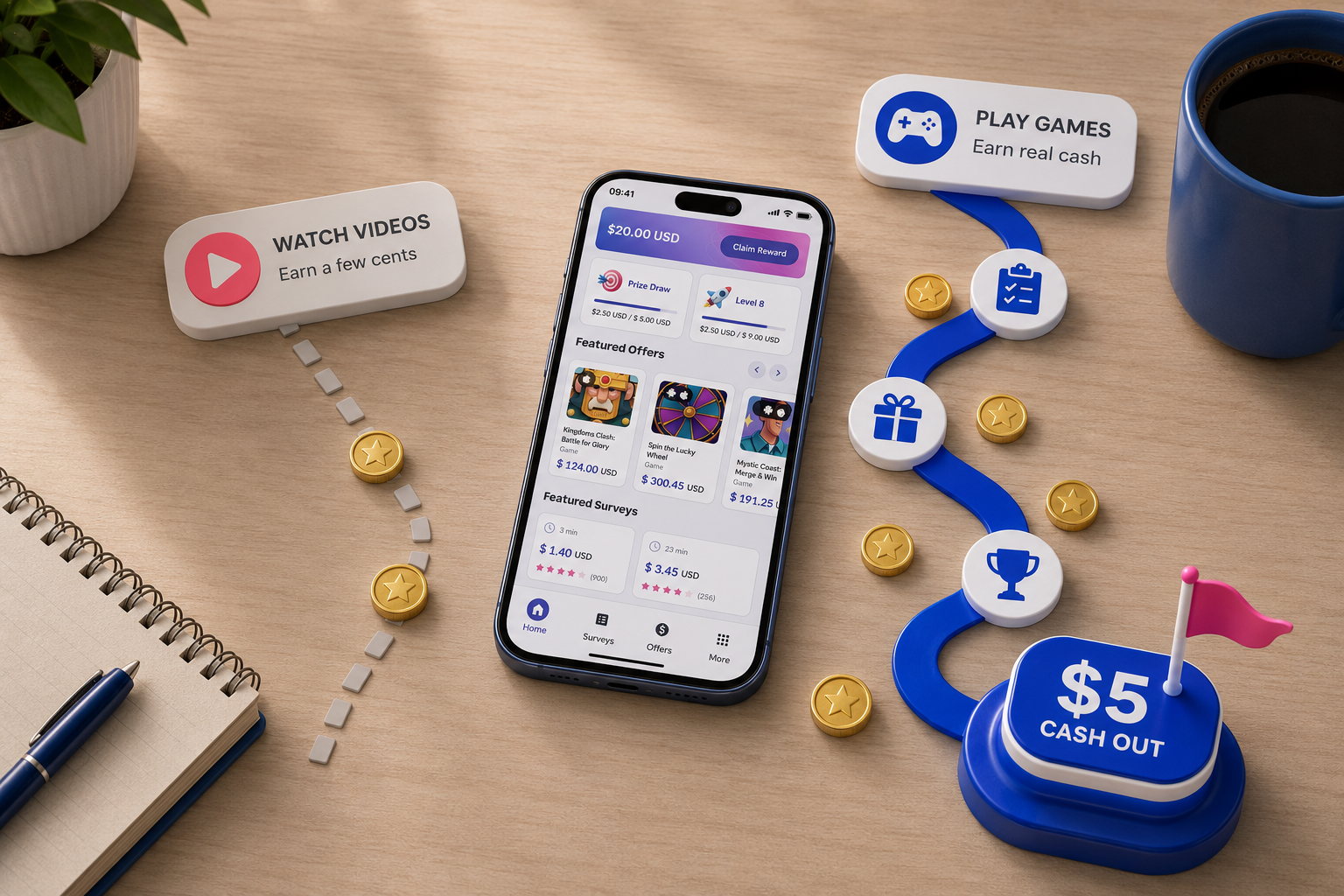
EarnStar doesn't pay you to sleep, and that's the whole point. It pays real cash and gift cards for time you're already awake, mainly by playing mobile games, with surveys as a secondary path.
That matters because reliable reward-app money comes from active tasks, not passive ones. Even fitness apps prove the pattern.
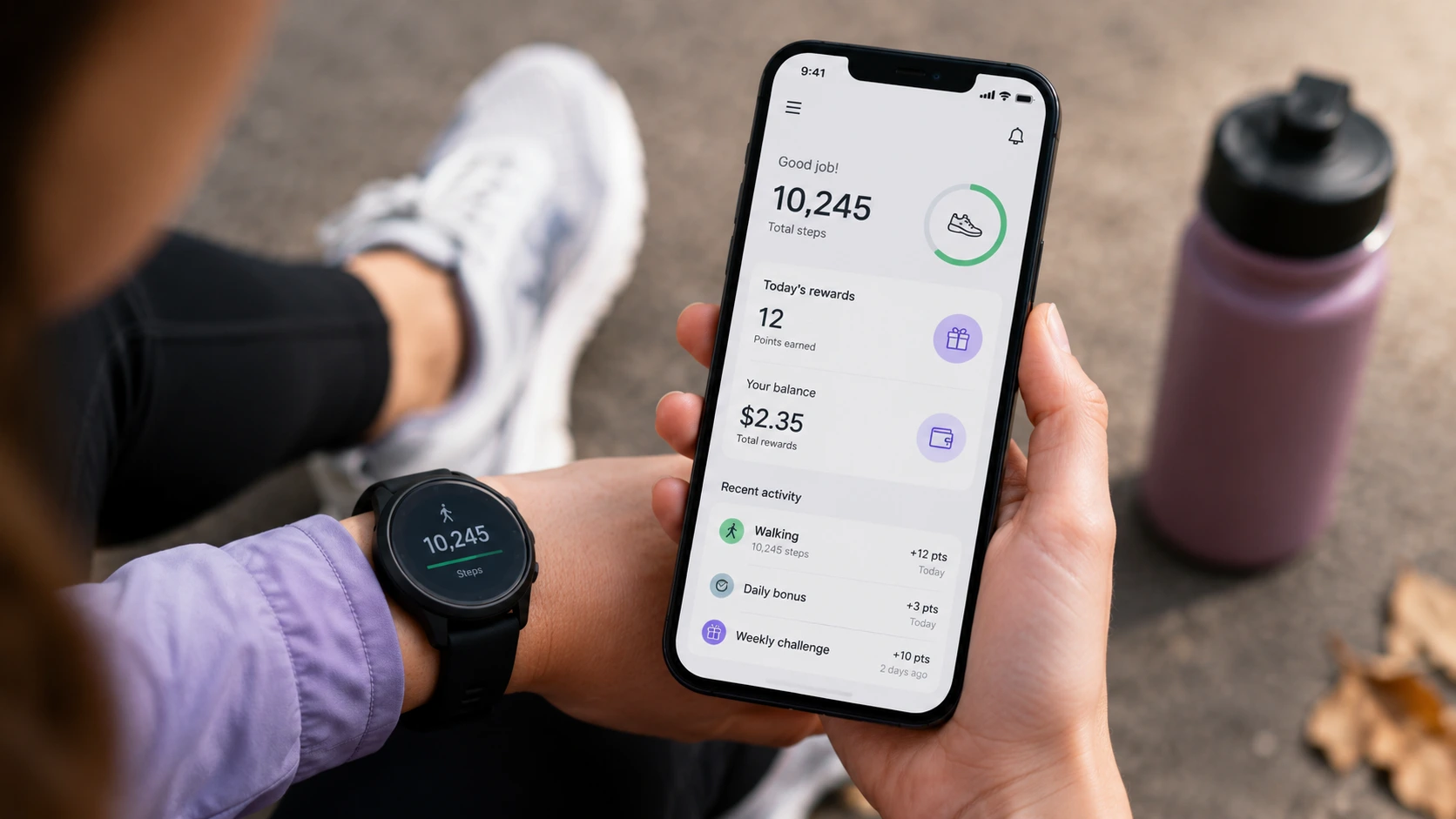
Sweatcoin rewards verified outdoor steps, roughly 0.95 Sweatcoins per 1,000 steps. It pays for movement you do, never for time you spend resting.
EarnStar is free to use, lets you earn from 100-plus mobile games, and cashes out from $5 through PayPal or gift cards. There's no income guarantee and nothing passive about it, just real payouts for time you put in.
If you want proof that game-based rewards deliver real cash, see how Bingo Cash pays out and read our honest Pocket7Games review, which both apply the same legit-and-does-it-pay test used here. To earn cash for games instead of points for sleep, start earning with EarnStar.
How much can you really make from sleep apps?
Realistically, sleep-reward apps pay about $20 to $40 a month passively. Crypto sleep-to-earn pays beginners roughly $0.10 to $1 a day, scaling to $10 to $50 a month for consistent users as token values move.
These are estimates. Your number depends on time, location, and the task types available to you.
General reward apps that include sleep as a minor offer sit a little higher because the money comes from other tasks. Active users earn around $30 to $150 a month, which works out to a few dollars an hour rather than a wage.
| Earning path | Realistic range | Payout type |
|---|---|---|
| Sleep-reward app (passive) | $20 to $40 / month | Points or pennies |
| Crypto sleep-to-earn | $0.10 to $1 / day | Volatile tokens |
| Reward app, sleep as minor offer | $30 to $150 / month | Cash, gift cards |
None of these replace a paycheck. If you need faster, larger payouts, same-day gig apps move far more money than any sleep tracker.
How to start earning from a sleep app
Start by deciding which bucket fits your goal, then set up the app the right way. Five steps keep you out of the common traps.
-
Pick your bucket. Choose a gamified app for fun, a crypto app only if you accept the risk, or a general reward app if you want real cash.
-
Download from the official store and check the payout type before signing up, so you know whether you'll get cash, gift cards, points, or tokens.
-
Connect sleep tracking and grant only the permissions the app genuinely needs to log your rest.
-
Read the withdrawal threshold and payout method first. JumpTask, for example, requires a 0.5 JMPT minimum and pays crypto only, with no PayPal.
-
Set a pocket-money expectation. Treat any sleep-app earnings as a small bonus on top of a real earning method, not a replacement for one.
The withdrawal threshold is the step most people skip, and it's the one that decides whether your earnings ever reach you. A low PayPal cash-out floor and a crypto-only minimum are not the same promise, so check which kind you're signing up for.

Paid sleep studies and sleep jobs
The big "get paid to sleep" numbers come from paid sleep studies, not apps. Research labs need people to sleep under observation, and they pay roughly $100 to $350 a night for overnight stays, with longer multi-night and circadian studies paying into the thousands.
These pay well because they're demanding and selective. You sleep in a lab with sensors attached, you commit to a schedule, and you have to qualify, which is the opposite of passively running an app at home.
You can find legitimate studies by contacting university and teaching-hospital sleep labs directly, or by searching the federal ClinicalTrials.gov registry. Spots are limited and competitive, so treat them as an occasional opportunity rather than a steady income stream.
Sleep "jobs" usually fall into the same camp. Mattress testers, nap-station hosts, and hotel sleep reviewers turn up occasionally, almost always as short-term gigs rather than steady roles.
What sleep apps do with your data
Sleep apps collect sensitive health data, and some of it can be shared or sold, so read the privacy policy before you connect any tracking. Sleep patterns, heart rate, and movement are personal, and the data from fitness and sleep trackers can reach data brokers and advertisers.
Regulators have noticed. The FTC's amended Health Breach Notification Rule now covers health apps, including services that track sleep, and requires them to disclose breaches of your health data.
There's enforcement behind the rule. The FTC's action against GoodRx brought a $1.5 million fineand barred the company from sharing user health data for advertising, a clear precedent for how health-app data misuse gets handled.
Before you grant permissions, check what each app collects and who it shares with. A few pennies in rewards isn't worth handing your health data to a broker.
Your next move for real rewards tonight
Sleep-reward apps are fine for fun and pocket change, and a couple of them do pay real cash in small amounts. Reliable money, though, comes from rewarding the time you're already awake, not the hours you spend asleep.
If you'd rather earn real cash for games you already play, that's the honest alternative to chasing points overnight. For more ways to turn everyday time into rewards, browse the EarnStar blog.
Frequently asked questions
Quick answers on what's legit, what actually pays, and what happens to your data.
Start earning on EarnStar with no deposit needed
Free to join, $1 PayPal cashout, 100+ games and surveys in one app. Your first payout can land before the end of the week.