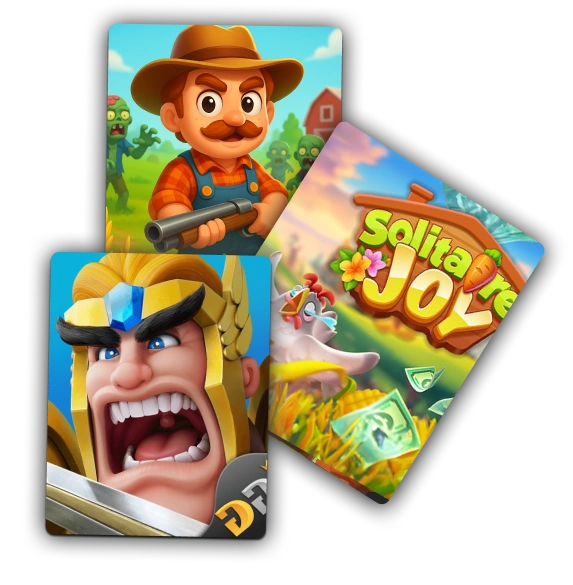

You can make real money from home, but the realistic options pay for your time, a skill or something you sell, not for signing up. The 20 ideas below run from surveys and app testing that need no experience to freelancing, selling online and local care work like pet sitting and babysitting. Each one is compared on the same five points: startup cost, skills, time to first payout, how pay is set and flexibility.
If you want small extras, games that pay real money and surveys can start this week. If you want a steady part-time income, freelancing, selling online or care work will get you further, and many people do one of each.
In short
- The realistic ways to make money from home pay for your time, a skill or something you sell. Listings that guarantee a set weekly income are scams.
- No experience needed: surveys, research studies, app testing, microtasks, reselling, pet sitting and babysitting.
- Higher pay per hour usually takes a skill: freelancing, design, bookkeeping and consulting.
- Reward apps fit as a small extra next to one of these, not as an income on their own.
How we picked these 20 ideas
We kept ideas that a US adult can start from home without paying a fee to join, that pay through an established platform or directly from clients, and that we could describe without promising a set amount. We left out anything that depends on recruiting other people. We also merged ideas that are really the same work under another name, which is why blogging, YouTube, UGC, social media and podcasting now share one entry, and Etsy, print-on-demand, dropshipping and digital products share another.
Compare the 20 ideas side by side
Startup cost here means what you spend before the first dollar comes in. Time to first payout names the step that has to happen before you're paid, because exact timing differs by platform and by client.
| Idea | Startup cost | Skills | Time to first payout | How pay is set | Flexibility |
|---|---|---|---|---|---|
| 1. Paid online surveys | Free | None | After you reach the platform's cash-out minimum | Per survey, by its length and whether you qualify | Any time, in short sessions |
| 2. Focus groups and research studies | Free | None, but you have to match the study's profile | After the session, on the researcher's payment schedule | Per session, set by the researcher | Scheduled sessions |
| 3. Website and app testing | Free, with a computer or phone that has a microphone | Clear spoken feedback | After each test is reviewed | Per test | Any time tests are open to you |
| 4. Microtasks | Free | Attention to detail | After you reach the platform's cash-out minimum | Per task | Any time, in short sessions |
| 5. Data entry and transcription | Free | Fast, accurate typing, plus a skills test for most transcription work | After onboarding and the first pay cycle | Per hour, or per file for transcription | Set hours for employed roles, your own hours for task work |
| 6. Gaming reward apps | Free | None | Once you reach the first cash-out minimum, which is $20 on EarnStar | Per game milestone or offer you complete | Any time |
| 7. Virtual assistant work | Free, with a computer | Admin, organization and common office tools | After the first billing cycle with a client | Per hour or a monthly retainer | Mostly flexible, with some set client hours |
| 8. Online tutoring | Free, with a computer and webcam | Knowing a subject well enough to teach it | After your first booked sessions | Per hour, set by you or the platform | You set your availability |
| 9. Freelance writing or editing | Free | Clear writing and research | After the first project is accepted and invoiced | Per word, per article or per hour | Deadline-based |
| 10. Social media management | Free | Content, captions and scheduling tools | After the first month with a client | Per hour or a monthly fee per client | Mostly flexible, with regular posting |
| 11. Remote bookkeeping | Low: software and an optional certification | Bookkeeping software and accuracy with numbers | After the first month with a client | Per hour or a flat monthly fee | Deadline-based |
| 12. Content creation | Low: a phone and free editing software | Making videos, posts or episodes people want | Usually months, except UGC, which pays per video | Ads, sponsors and affiliate commissions, or per video for UGC | Fully flexible |
| 13. Reselling (flipping) | Low: the cost of your first items | Knowing what sells and what to pay for it | After your first sale clears | The margin between what you pay and the sale price | Fully flexible |
| 14. Online store or digital products | Low to moderate: listings, samples or ad spend | Making, designing or marketing products | After your first sale clears | The margin on each sale, minus platform fees | Fully flexible |
| 15. AI consulting or no-code automations | Free | Skill with AI and automation tools | After the first project | Per hour or per project | Project-based |
| 16. Graphic or web design | Low: design software | Design skills and a portfolio | After the first project | Per project or per hour | Project-based |
| 17. Online coaching or consulting | Low: a simple website | Real expertise in your niche | After the first paid session | Per session or package | You set your hours |
| 18. Translation or language services | Free | Fluency in two or more languages | After the first project | Per word, per project or per hour | Deadline-based |
| 19. Pet sitting | Free, though many states require a business license | Comfort and care with animals | After the first booking | Per visit or per night | Set by owners' travel and routines |
| 20. Babysitting | Free, though requirements vary by state | Childcare experience helps | After the first job | Per hour, by the number and ages of the children | Evenings and weekends, around families' schedules |
None of these ideas pays a set amount. What you earn depends on your hours, your rate and, for platform work, how often tasks are open to you. The rates quoted in each idea below reflect general market rates, not a promise.
No experience needed
Nine of the 20 ideas need no experience or special skill: surveys (#1), research studies (#2), app testing (#3), microtasks (#4), data entry (#5), reward apps (#6), reselling (#13), pet sitting (#19) and babysitting (#20). The online ones are free to join, reselling needs a little money for your first items, and care work depends on demand where you live. They're the easiest place to start, and freelancing or a skill-based service is where pay per hour usually rises. For more options you can do entirely online, see our list of online side hustles.
Quick-start methods: apps, surveys, and microtasks
These methods need zero experience, no upfront cost, and you can start today. The best of them are free apps that pay real money.
A recent survey of 123,823 Americans found that online tasks, surveys, and data entry ranked as the number-one preferred way to earn extra income, scoring 6.72 out of 9. The same survey found 46.6% of respondents require the ability to work from home, making remote access close to non-negotiable.
Here are the six fastest ways to make money from home starting today.
1. Take paid online surveys
- Startup cost: Free
- Skills: None
- Time to first payout: After you reach the platform's cash-out minimum
- How pay is set: Per survey, by its length and whether you qualify
- Flexibility: Any time, in short sessions
Survey platforms pay you for sharing your opinions on products, services, and consumer habits. You sign up, fill out a detailed profile so the platform can match you with relevant surveys, and complete them for cash or gift cards.
Surveys typically take 5 to 30 minutes and cover shopping habits, brand preferences, technology use, and media consumption.
How much you earn varies widely with the time you put in and how often you qualify, so treat surveys as steady but inconsistent. At the low end you do one here and there in downtime. At the high end you spend an hour or two a day across several platforms. The trick is signing up for a few and rotating between them based on what's available.
The biggest frustration is disqualification: you answer the screening questions, then get kicked out a few minutes in with nothing to show for it.
TopSurveys minimizes that by pre-qualifying you before the survey begins, and it pays well for the surveys it serves. FiveSurveys is a newer addition to the rotation, with strong payouts on its longer studies. Prime Opinion and HeyCash are solid alternatives with more volume but higher disqualification rates. A good approach is to lead with TopSurveys and FiveSurveys for quality, then fill the gaps with the others. If you're new to it, how EarnStar surveys work explains what drives your payouts.
2. Join focus groups and paid research studies
- Startup cost: Free
- Skills: None, but you have to match the study's profile
- Time to first payout: After the session, on the researcher's payment schedule
- How pay is set: Per session, set by the researcher
- Flexibility: Scheduled sessions
Focus groups and research studies are the higher-paying cousin of surveys. Instead of answering quick multiple-choice questions, you join longer discussions, product tests, or one-on-one interviews with researchers.
Sessions usually last 30 to 90 minutes and happen over video calls or in person. The trade-off is more time per session but much better pay.
Expect $40 to $200 per hour per session, and some specialized studies pay $500 or more. A single 90-minute session can earn more than a month of casual survey work. Medical, tech, and financial services studies tend to pay the highest rates because they target specific demographics.
The best places to find these are User Interviews, Respondent.io, and Recruit by UserTesting. Sign up for all three to improve your odds of qualifying. Fill out your profiles completely and accurately, since researchers filter by demographics, profession, and consumer habits.
The main drawback is availability. Sessions have to be scheduled, and you may wait one to two weeks between opportunities.

3. Test websites and apps
- Startup cost: Free, with a computer or phone that has a microphone
- Skills: Clear spoken feedback
- Time to first payout: After each test is reviewed
- How pay is set: Per test
- Flexibility: Any time tests are open to you
Companies need real people to test their websites and apps before launching or after major updates. You record yourself using a site or app, narrate your thoughts as you complete tasks (like finding a product or getting through checkout), and submit the recording as feedback.
Each test takes 15 to 30 minutes. Pay ranges from $10 to $60 per test, and most platforms have several tests available each week.
PaidTester is a solid pick here, and it pairs well with EarnStar for people who want a mix of income types. UserTesting is the most established platform and often offers the highest per-test rates, with most tests paying $10 to $30 for 20 minutes, while Trymata and Userlytics are reliable alternatives. Some live, moderated tests, where you interact with a researcher in real time, pay $30 to $60 for a single session.
You'll need a computer or smartphone with a working microphone and a quiet space. Most platforms start you with a practice test to check your audio and screen recording.
4. Complete microtasks
- Startup cost: Free
- Skills: Attention to detail
- Time to first payout: After you reach the platform's cash-out minimum
- How pay is set: Per task
- Flexibility: Any time, in short sessions
Microtask platforms break large projects into small pieces that individual workers complete in minutes. Tasks include labeling images for AI training, verifying business data, transcribing short audio clips, categorizing search results, and moderating content.
Each task takes anywhere from 30 seconds to 10 minutes. Active users can earn $50 to $200 a month depending on hours invested and task availability. The work is repetitive but needs no special skills beyond an internet connection and attention to detail. Complete tasks accurately and better-paying assignments open up.
Amazon Mechanical Turk is the largest platform, though pay per task tends to be low (often under $0.10 per task). Clickworker and Appen generally offer better rates and more consistent work. With the rapid growth of AI model training, demand for data-labeling microtasks has risen substantially.
5. Do data entry or transcription work
- Startup cost: Free
- Skills: Fast, accurate typing, plus a skills test for most transcription work
- Time to first payout: After onboarding and the first pay cycle
- How pay is set: Per hour, or per file for transcription
- Flexibility: Set hours for employed roles, your own hours for task work
Data entry is one of the most straightforward ways to make money from home. You input, update, or verify information in spreadsheets, databases, or content management systems.
The only requirements are decent typing speed (usually 40+ words per minute) and strong attention to detail. Some roles also involve basic data cleaning, formatting, or transferring records between systems.
Data entry is the slowest of the quick-start methods to pay out, but it bridges into the freelancing tier and offers the most consistent income once you're onboarded. Pay averages $19 to $24 an hour, making it one of the better-paying options in the quick-start category. Unlike one-off microtasks, data entry positions are usually part-time or full-time roles with consistent hours and reliable paychecks.
FlexJobs has the most vetted remote data entry listings and filters out scams. Indeed's remote filter and Belay are also reliable. Be cautious of postings that seem too good to be true (especially those promising $50+ an hour for basic typing), since data entry is one of the most common categories for work-from-home scams. Expect a one- to two-week application process before you start earning.
Transcription means converting audio or video recordings into written text. General transcription covers interviews, meetings, and podcast episodes. Medical and legal transcription require specialized knowledge but pay more.
Rates range from $18 to $30 an hour, and the US transcription market was worth $30.42 billion in 2024. The shift toward remote meetings and podcasting has kept demand steady.
Rev, TranscribeMe, and GoTranscript are the primary platforms. Most require a skills test before you can accept work, and accuracy and typing speed determine how quickly you reach higher-paying assignments.

6. Use gaming reward apps for small extras
- Startup cost: Free
- Skills: None
- Time to first payout: Once you reach the first cash-out minimum, which is $20 on EarnStar
- How pay is set: Per game milestone or offer you complete
- Flexibility: Any time
Gaming reward apps pay you real cash for playing mobile games. You download the app, pick from a library of games, hit milestones or playtime targets, and earn rewards you can send to PayPal or take as gift cards.
The apps make money by partnering with game developers who pay to reach new players, and they share part of that revenue with you.
This is pocket money, not a wage. Realistic rewards are modest and vary with how much you play and which games you pick. It works because it turns time you'd spend gaming anyway into a little extra cash, one of several ways to get paid to play video games.
EarnStar works on iOS, Android, and the web. Your first cash-out is $20, and after that you can cash out from $1, with instant withdrawal to PayPal, Cash App, Venmo, a bank transfer or gift cards. New accounts get a $5 welcome bonus, and you need to be 18 or older to join. If you're setting it up for the first time, how to use EarnStar walks through the first steps.
This won't replace a salary. But if you're already spending time on your phone, you might as well get paid for some of it.
Join the EarnStar community on WhatsApp or Telegram for bonus codes, or follow on Instagram and Facebook for new offers.
Where reward apps fit
Reward apps work best as a small extra next to one of the other ideas here. They cost nothing and need no skills, but they pay per milestone or offer, so the amount depends on which games you pick and how much you play. If you need a dependable monthly amount, put most of your hours into freelancing, care work or a part-time data entry role, and treat the app balance as a bonus on top.
Freelancing and services you can offer from home
If you want to make money from home at a higher rate, freelancing is the natural next step. You don't need a degree or years of experience to start. Here are five services you can offer from your living room.
7. Become a virtual assistant
- Startup cost: Free, with a computer
- Skills: Admin, organization and common office tools
- Time to first payout: After the first billing cycle with a client
- How pay is set: Per hour or a monthly retainer
- Flexibility: Mostly flexible, with some set client hours
Virtual assistants handle administrative tasks for businesses remotely: managing email inboxes, scheduling meetings, updating social accounts, organizing files, handling customer inquiries, and preparing reports.
The role is broad, so you can specialize in whatever you're best at. Some VAs focus on general admin, while others carve out niches in real estate, ecommerce, or podcast management.
Pay ranges from $26 to $35 an hour, and the virtual assistant market is growing from $19.5 billion to a projected $55.4 billion by 2035. Demand is strong and getting stronger as more one-person businesses and small teams realize they can hire remote help for a fraction of the cost of a full-time employee.
To get started, sign up with agencies like Belay, Time Etc, or Zirtual, which match assistants with clients and handle billing. You can also pitch small business owners directly on LinkedIn. Start by listing the tasks you can handle and the tools you know (Google Workspace, Slack, Asana, Canva, and the like).
8. Offer online tutoring
- Startup cost: Free, with a computer and webcam
- Skills: Knowing a subject well enough to teach it
- Time to first payout: After your first booked sessions
- How pay is set: Per hour, set by you or the platform
- Flexibility: You set your availability
If you know a subject well enough to explain it clearly, you can earn money teaching it. Online tutoring covers everything from math and science to test prep, languages, music, and professional skills.
Rates range from $30 to $60 an hour, and the global online tutoring market is growing at 4.8% a year through 2033. Demand is especially strong for SAT and ACT prep, STEM subjects, and English as a second language.
Platforms like Wyzant, Tutor.com, Preply, and Varsity Tutors connect you with students and handle scheduling and payments. Most let you set your own rates and availability.
9. Work as a freelance writer or editor
- Startup cost: Free
- Skills: Clear writing and research
- Time to first payout: After the first project is accepted and invoiced
- How pay is set: Per word, per article or per hour
- Flexibility: Deadline-based
Businesses need content of all kinds, from blog posts and website copy to technical documentation, email newsletters, social captions, white papers, and case studies. If you can write clearly and meet deadlines, freelance writing is one of the most accessible higher-paying ways to make money from home.
You don't need a journalism degree. Clear thinking and the ability to research a topic thoroughly matter more than formal credentials.
Earnings range from $20 to $100+ an hour depending on your niche and experience. Technical writing, financial content, and SaaS copywriting tend to pay the most. General blog writing starts lower but scales quickly as you build a portfolio. Many freelance writers start at $0.05 to $0.10 per word and progress to $0.25 to $0.50+ per word within a year.
Find work through Contently, nDash, and the ProBlogger job board for higher-quality clients. Upwork works well when you're starting out and need reviews. The key to earning more is specialization: writers who focus on healthcare, fintech, or cybersecurity charge premium rates because they bring subject-matter expertise.
10. Manage social media for businesses
- Startup cost: Free
- Skills: Content, captions and scheduling tools
- Time to first payout: After the first month with a client
- How pay is set: Per hour or a monthly fee per client
- Flexibility: Mostly flexible, with regular posting
Small businesses know they need a social media presence but often lack the time or expertise to manage it. Social media managers create content calendars, design graphics, write captions, schedule posts, engage with followers, track analytics, and sometimes run paid ad campaigns.
Full-time social media managers earn around $64,000 a year. Freelancers typically charge $25 to $50 an hour, or $500 to $2,000 a month per client, and many manage three to five accounts at once. Specializing in one industry (restaurants, real estate, fitness studios) lets you reuse strategies and work more efficiently.
The best way to start is to pitch local businesses directly. Walk into a restaurant or boutique, look at their social media, and offer specific suggestions. Offer to manage one platform for a month at a discounted rate to build your portfolio. LinkedIn and Fiverr work well for finding clients beyond your local area, and tools like Buffer, Later, and Canva make the work much faster.
11. Do bookkeeping remotely
- Startup cost: Low: software and an optional certification
- Skills: Bookkeeping software and accuracy with numbers
- Time to first payout: After the first month with a client
- How pay is set: Per hour or a flat monthly fee
- Flexibility: Deadline-based
If you're comfortable with numbers, remote bookkeeping is one of the more reliable and recession-resistant ways to earn from home. You manage financial records for small businesses using software like QuickBooks, Xero, or FreshBooks.
Tasks include categorizing transactions, reconciling bank statements, preparing financial reports, and managing accounts payable and receivable.
Pay ranges from $20 to $40 an hour, with certified bookkeepers at the higher end. Many move to flat monthly fees ($300 to $800 per client) as they build a client base, which makes income more predictable. A QuickBooks ProAdvisor certification is free and boosts your credibility with potential clients.
Bookkeeper Launch is a popular training program for newcomers that covers both the skills and the business side. Once certified, pitch your services on LinkedIn, in local business Facebook groups, or through freelance platforms. Small business owners are often desperate for reliable bookkeeping help and will pay well for someone they trust.

Content creation and digital media
Content creation is one of the most rewarding ways to make money from home, but it's a long game. You invest weeks or months building an audience, then monetize through ads, sponsorships, affiliate marketing, and product sales.
Many of the most successful side hustles start here because the startup costs are low and the earning ceiling is high.
12. Create content on a blog, YouTube, social media or a podcast
- Startup cost: Low: a phone and free editing software
- Skills: Making videos, posts or episodes people want
- Time to first payout: Usually months, except UGC, which pays per video
- How pay is set: Ads, sponsors and affiliate commissions, or per video for UGC
- Flexibility: Fully flexible
Content work covers five related routes. A blog or niche site earns from display ads, affiliate links and sponsored posts once it has steady search traffic. A YouTube channel adds Partner Program ad revenue to sponsorships and affiliate links. Instagram and TikTok accounts earn from sponsored posts and brand deals, and a podcast earns from sponsors and paid bonus episodes. User-generated content (UGC) is the odd one out: brands pay you per video to use in their own ads, so you don't need an audience of your own.
Ad revenue depends on your niche: finance and technology channels earn much higher CPMs (cost per thousand views) than entertainment or vlog channels. For the full breakdown, see what YouTube pays per 1,000 views.
Brands care more about engagement than raw follower counts, so a small, active audience can be worth more than a large passive one. TikTok has the fastest organic growth potential right now, and Instagram Reels and YouTube Shorts are strong options too. Per-view payouts are modest, though, as what TikTok pays per view lays out.
Affiliate marketing runs through all of these. You earn a commission when someone buys through your referral link, from programs like Amazon Associates, Awin or Impact. It works best inside content that already helps the reader choose.
Every route except UGC is slow to pay. Most blogs, channels and shows earn little or nothing in their first months, and income after that depends on audience size, niche and how consistently you publish. Start with the format you'd enjoy making every week, using a phone and free editing software, before you spend money on gear.

Selling products and ecommerce from home
Selling products is another proven way to make money from home, from flipping thrift-store finds to running a full ecommerce operation. These methods appeal to people who prefer building something tangible. Some need upfront investment; others cost nothing to start, and what you can sell from home is a good place to find your first item.
13. Resell items for profit
- Startup cost: Low: the cost of your first items
- Skills: Knowing what sells and what to pay for it
- Time to first payout: After your first sale clears
- How pay is set: The margin between what you pay and the sale price
- Flexibility: Fully flexible
Reselling is simple: buy items cheaply (thrift stores, clearance racks, garage sales, estate sales, liquidation pallets) and sell them for more on eBay, Poshmark, Mercari, or Facebook Marketplace. Popular categories include clothing (especially branded and vintage), electronics, sneakers, books, and home goods.
The key skill is knowing what sells and what to pay for it. Earning range: $200 to $2,000+ a month depending on how much time you put into sourcing and listing, and experienced resellers who treat it like a business and specialize can earn considerably more.
Flipping is fast: you can buy something at a thrift store today, photograph it, list it, and have it sold by the end of the week. Apps like eBay's barcode scanner and the Sold app help you check what items are selling for before you buy.
14. Run an online store or sell digital products
- Startup cost: Low to moderate: listings, samples or ad spend
- Skills: Making, designing or marketing products
- Time to first payout: After your first sale clears
- How pay is set: The margin on each sale, minus platform fees
- Flexibility: Fully flexible
Etsy remains the go-to marketplace for handmade goods, personalized gifts, and digital downloads (planners, templates, printable art, wedding invitations). If you're crafty or design-savvy, Etsy provides a built-in audience of millions actively looking for unique products they can't find on Amazon.
The other store models trade making things for running a shop. With print-on-demand, you upload designs and a fulfillment company like Printful prints and ships each order, so you only pay the production cost when something sells. With dropshipping, a supplier ships products straight to your customer from a store you run on a platform like Shopify, and you keep the difference between your price and the supplier's. Dropshipping needs ad spend and marketing skills, and the margin on each item is thin.
Digital products cost the least to run: templates, planners, ebooks, fonts, stock photos and full courses. Templates and planners sell on Etsy and Gumroad, courses on Teachable, and photos on stock sites like Shutterstock. Skillshare works differently: you publish classes there, and qualifying teachers earn royalties rather than a price per sale. You make each product once, and later sales need no inventory or shipping.
Every store model pays per sale, minus platform fees, and sales take time to build. Start with one product or a small set, check that people buy it, then add more.

Skill-based side hustles from home in 2026
These are the highest-paying methods on this list, but they require specific skills or the willingness to learn them. The good news: 52% of current side hustlers started since 2022, which shows the barrier to entry is lower than ever.
15. Offer AI consulting or build no-code automations
- Startup cost: Free
- Skills: Skill with AI and automation tools
- Time to first payout: After the first project
- How pay is set: Per hour or per project
- Flexibility: Project-based
AI consulting is the fastest-growing side hustle category of 2026. Businesses across every industry are trying to adopt AI tools, and many need help figuring out what to use and how to use it well.
AI consultants and prompt engineers help companies put tools like ChatGPT, Claude, and Midjourney into their workflows. That can mean anything from writing effective prompts for content generation to building automated workflows that save teams hours a week.
Pay ranges from $80 to $175 an hour. You don't need a computer science degree: if you're skilled at using AI tools productively and can show businesses how to do the same, you have a marketable skill. Many small businesses know they should be using AI but have no idea where to start, which creates a wide-open market.
Start by building a portfolio of case studies showing before-and-after results (even personal projects count). Document the time saved, quality improvements, or cost reductions your work achieved, then pitch small and mid-size businesses on LinkedIn or in industry communities.
No-code tools like Bubble, Zapier, and Make.com let you build functional apps and workflow automations without writing a single line of code. Businesses are increasingly willing to pay for custom solutions that save them time and money.
Earning range: $500 to $5,000+ per project, depending on complexity. Simple Zapier automations that save a business real time start at $500 to $1,000, while more complex apps with custom integrations command $2,000 to $5,000+.
To get started, choose one or two platforms to master (Bubble for web apps is the most versatile). Build two to three sample projects at different levels and document your process and results. Find clients in startup communities, small business groups, and Slack channels where owners discuss their automation needs. Demand is growing as more businesses want to automate but lack the technical knowledge to set the tools up themselves.
16. Do graphic design or web design
- Startup cost: Low: design software
- Skills: Design skills and a portfolio
- Time to first payout: After the first project
- How pay is set: Per project or per hour
- Flexibility: Project-based
Businesses always need visual assets: logos, social media graphics, website designs, marketing materials, and product packaging. If you have design skills (or will learn tools like Canva, Figma, or Adobe Creative Suite), there's steady demand. This is one of the best ways to make money from home if you have a creative eye and can deliver professional results.
Earning range: $25 to $100+ an hour depending on complexity and experience. Logo design and brand identity projects pay the most per project, and specialists in web design and UI/UX command rates at the higher end.
To get started, gather three to five samples that show your best work, even if they're personal projects. Build a portfolio on Contra, Dribbble, or a simple site with Framer, then pitch small businesses on LinkedIn, or start on Fiverr or 99designs to build reviews. Direct outreach to local businesses often yields better-paying work than marketplaces.
17. Provide online coaching or consulting
- Startup cost: Low: a simple website
- Skills: Real expertise in your niche
- Time to first payout: After the first paid session
- How pay is set: Per session or package
- Flexibility: You set your hours
If you have expertise in a specific area (career development, fitness, nutrition, business strategy, personal finance, life skills), you can package that into coaching or consulting sessions. It's a rewarding way to make money from home while helping others reach their goals.
Rates range from $50 to $300 an hour depending on your niche and credibility. Executive coaches and business consultants earn the most, while entry-level coaches in growing niches like productivity and career transitions start around $50 to $100 an hour. Fitness and wellness coaching is also in high demand.
To get started, define your niche based on genuine expertise. Create a simple one-page site outlining your background, credentials, and the transformation you offer. Identify where your ideal clients spend time online (LinkedIn, Reddit, specific Facebook groups) and provide free value through posts or articles before offering paid sessions. Clarity.fm works well for business consulting calls, and LinkedIn is excellent for building authority and attracting inbound leads.
18. Offer translation or language services
- Startup cost: Free
- Skills: Fluency in two or more languages
- Time to first payout: After the first project
- How pay is set: Per word, per project or per hour
- Flexibility: Deadline-based
If you speak two or more languages fluently, translation and language services are a reliable income source. Work includes translating documents, interpreting for meetings, and teaching languages to individuals or groups.
Earning range: $20 to $60 an hour for general translation, with specialized fields like medical or legal translation charging $50 to $100+ an hour, because they require domain-specific knowledge.
To get started, identify your strongest language pairs and a specialization (technical documents, marketing copy, legal contracts). Build a simple portfolio listing your proficiency, experience, and specialties, then pitch small businesses or marketing agencies that regularly need translated content. Gengo and One Hour Translation connect translators with clients for document work, and for teaching, Preply and iTalki are the most popular marketplaces.
Care work: pet sitting and babysitting
Care work is the one group here that's local rather than online. You still find clients and set your schedule from home, and neither job needs a degree.
19. Pet sitting
- Startup cost: Free, though many states require a business license
- Skills: Comfort and care with animals
- Time to first payout: After the first booking
- How pay is set: Per visit or per night
- Flexibility: Set by owners' travel and routines
Pet sitters look after animals while their owners are away or at work. Many visit the owner's home, which lets the pet stay in its familiar surroundings and keep its routine, and some host pets in their own home instead. You find clients through neighbors, local groups or pet-sitting apps, and you agree the rate per visit or per night before the first booking.
As a pay benchmark, animal care and service workers had a median pay of $17.08 an hour in May 2025. That figure covers the whole occupation, not only pet sitters. Many states require self-employed animal care workers to hold a business license, so check your state's rules before you take paid bookings.
20. Babysitting
- Startup cost: Free, though requirements vary by state
- Skills: Childcare experience helps
- Time to first payout: After the first job
- How pay is set: Per hour, by the number and ages of the children
- Flexibility: Evenings and weekends, around families' schedules
Babysitting covers anything from a regular after-school slot to occasional evenings, in the family's home or in yours. For self-employed sitters, pay is based on the hours you work and the number and ages of the children in your care. Agree a rate with each family once you know how many children you'll look after and how old they are.
The median hourly wage for childcare workers was $16.82 in May 2025, a figure that covers all childcare workers, not only babysitters. Requirements vary by setting, state and employer. If you plan to look after other families' children in your own home on a regular basis, check your state's childcare licensing rules first.
What decides how much you make from home
Across all 20 ideas, pay comes down to how the work is priced and how much of it you can do. Four things set it.
- The pay model. Surveys, microtasks, tests and reward apps pay per task or milestone. Freelancing, tutoring and care work pay per hour, session or project. Content, stores and reselling pay per sale, view or commission. Content and stores are the slowest to start, while a resold item can sell within the week.
- Your hours and the work available. Platform work only pays when tasks or studies are open to you, while client work pays for the hours a client books.
- Skill and niche. Specialist skills earn higher rates: technical or financial writing pays more than general blogging, and certified bookkeepers sit at the higher end of bookkeeping rates.
- Fees and costs. Marketplaces take a cut of each sale or project, and stores carry production, shipping or ad costs. What you keep is less than what the customer pays.
For babysitting, the number and ages of the children also shape the rate. If you have a daily target in mind, see how to make $100 a day online.
How to choose the right way to make money from home
With 20 options here, the worst thing you can do is try to tackle five at once. The best approach is to pick one or two methods that match your situation right now. Start with these five factors.
Available time. Most side hustlers keep it light: 54% spend under five hours a week on their side income. If that's you, stick with quick-start methods like gaming apps, surveys, or microtasks. If you can commit 10 or more hours a week, freelancing and content creation become realistic.
Existing skills. Already good at writing, design, coding, or teaching? Skip straight to the freelancing or skill-based sections, where you'll earn more per hour from day one. If you don't have a marketable skill yet, start with the quick-start methods while you learn one.
Startup budget. Most methods here are free to start. Blogging, dropshipping, and some ecommerce methods need some money upfront. If you have zero budget, focus on the free methods.
Income goal. For a small monthly extra, quick-start methods will get you there. For a part-time income, you'll likely combine a quick-start method with freelancing. For a full-time income, skill-based services or a scaled content or ecommerce play is the path.
Timeline. If you need money this week, quick-start methods (#1 to #6), reselling (#13), and gig apps that pay same daypay fastest. With a few weeks, freelancing (#7 to #11) and skill-based services (#15 to #18) ramp up. If you're willing to invest months, content creation (#12) and ecommerce (#13 and #14) offer the highest long-term returns.
Match your situation to the right starting method
Beyond those factors, the easiest way to choose is by life stage.
- Parent at home. Surveys, microtasks, and UGC work around naps and school runs without locked schedules.
- Full-time student. Gaming apps, microtasks, and paid research fit between classes and pay fast. See more side hustles for college students.
- Worker stacking on the side. Gaming apps, affiliate marketing, and digital products fit into evenings and weekends.
- Retiree or semi-retired. Surveys, focus groups, and online tutoring trade time for steady, social income.
The smartest approach is what some call side-hustle stacking: combine a quick-start method for immediate cash with a longer-term method for bigger payoffs. For example, use EarnStar to earn your first rewards today while building a freelance writing portfolio that can pay well once it's established. You see real money now while building toward something bigger, and EarnStar keeps a little coming in from day one. Download it free to start stacking, on iOS, Android, or web.
How to make money as a stay-at-home mom
As a stay-at-home mom or dad, the ideas that work best are the ones you can stop and restart, because a nap or a school pickup can end a session without notice. Surveys (#1), microtasks (#4), transcription (#5) and freelance writing (#9) run on your own clock, and virtual assistant work (#7) or bookkeeping (#11) can fit too when the client agrees to deadlines instead of set hours.
Babysitting (#20) pays you to look after other children alongside your own, in your home or the family's. Requirements vary by state. Check your state's childcare licensing rules before you look after other families' children in your home on a regular basis. For more ideas that fit around family life, see how to make extra money on the side.
Red flags and scams to avoid
For every legitimate way to make money on the side from home, there are people trying to separate you from your money instead of helping you earn it. Knowing the warning signs protects your time and cash. Here are five red flags that signal a scam.
- Upfront fees to "get started" earning. Legitimate platforms don't charge you to begin working. If a site asks for a "registration fee," "training fee," or a starter kit, walk away. Real employers and platforms pay you, not the other way around.
- Guaranteed income promises. Any listing that promises "earn $5,000 a week guaranteed" is lying. No legitimate side hustle can guarantee specific earnings, because results depend on your time, effort, and skills. Real platforms give you earning ranges, not guarantees.
- MLM and pyramid structures disguised as "business opportunities." If the main way to earn is recruiting other people rather than selling a product or service, it's a pyramid structure. Multi-level marketing companies often pose as "work from home opportunities," but the vast majority of participants lose money.
- Requests for sensitive information before you've earned anything. Legitimate platforms need basic details (name, email, payment info for payouts), but not your Social Security number, bank login, or credit card upfront. If a platform asks for sensitive data before you've even started, don't provide it.
- No verifiable reviews or app store presence. Before signing up, check for reviews on Trustpilot, the App Store, or Google Play. If a platform has no reviews, no app store listing, and no verifiable track record, it's not worth the risk.
Stick with platforms that have verifiable ratings, real user reviews, and transparent payout terms. That one filter eliminates the vast majority of scams.
Job scam signs the FTC warns about
Fake work-from-home offers often follow one of three patterns, and any one of them is a reason to walk away.
- Reshipping packages. You're asked to receive packages, repackage them and send them on to a new address. The FTC says plainly that reshipping goods is never a real job; it's part of a scam.
- Depositing a check and sending money back. No honest employer will send you a check to deposit and then ask you to send part of the money back. Treat any request like this as a scam.
- Job offers by text. The FTC warned in April 2026 about fake recruiters who offer jobs by text, and some of these offers lead to the same check-and-send-back request.
If you see a job scam, or lose money to one, report it to the FTC at ReportFraud.ftc.gov.
Start earning from home today
You have more legitimate ways to make money from home in 2026 than at any point in history. Nearly half of Americans say being able to work from home is close to non-negotiable when they look for extra income.
The people who earn from home are the ones who actually start. Pick one method that matches your situation and begin today. You don't need to have everything figured out first.
The smartest approach is to start with a quick win, an app like EarnStar or a few surveys, to prove to yourself that earning from home is real. Then layer in a higher-earning method like freelancing, selling, or content creation. That combination of short-term results and long-term potential is how you build a real income stream from home.
Get started with EarnStar: cash out from $20 the first time and from $1 after that, with instant withdrawal, on iOS, Android, and web. Join the community on WhatsApp or Telegram for bonus codes, or follow on Instagram and Facebook for new offers.
Frequently asked questions
Answers to the most common questions about how much you can make from home and what sets the pay.


Ready to start earning?
Earn real cash and gift cards by playing games, completing surveys, and hitting milestones. Your first PayPal payout is waiting.